

You’re sitting there scrolling through Instagram, watching someone sip coffee on a balcony in Lisbon or hike through the Croatian coast, and you think to yourself: I want that. Then you check your bank account and that feeling disappears fast.
Here’s the thing though. That feeling doesn’t have to disappear. Traveling with almost no money is not just a dream for people who got lucky. It’s a real, practical thing that thousands of people do every single year. The difference between them and someone who never leaves home usually comes down to mindset and knowing the right moves.
This guide breaks down exactly how to plan a trip when your budget is tight. Whether you have $300 saved up or just hit payday with barely enough to cover rent, you’ll find something here that works for you.
Table of Contents
- Change Your Mindset About Travel
- Choose the Cheapest Destinations
- How to Find Cheap or Free Flights
- Free and Cheap Accommodation Options
- How to Travel Around for Less
- Eat Well Without Spending Much
- Daily Budget Comparison Table
- Smart Travel Hacks That Save Money
- Real Example of a Low Budget Trip
- Frequently Asked Questions
Change Your Mindset About Travel
The biggest barrier to traveling with no money is not actually money. It’s the story we tell ourselves about what travel is supposed to look like. Somewhere along the way, most people started connecting travel with luxury hotels, business class flights, and overpriced restaurants with a view.
But that version of travel is a very small slice of what’s out there. The travelers who see the most and spend the least are the ones who ditched that script a long time ago.
Real travel is about getting into a place, understanding how it works, eating where locals eat, and building memories that don’t come with a receipt. A $5 bowl of soup in a Vietnamese market will stick with you longer than any hotel breakfast buffet. A night in a hostel dorm leads to friendships you’d never find in a private suite.
Once you accept that budget travel is not inferior travel, everything gets easier. You stop waiting until you “have enough money” and start figuring out how to go with what you have.

Choose the Cheapest Destinations
Where you go matters more than almost anything else in your budget. Spending a week in Switzerland will cost you five times what a week in Albania or Georgia costs. The experiences can be just as good, and in some cases better, because cheaper countries tend to be less crowded and more raw.
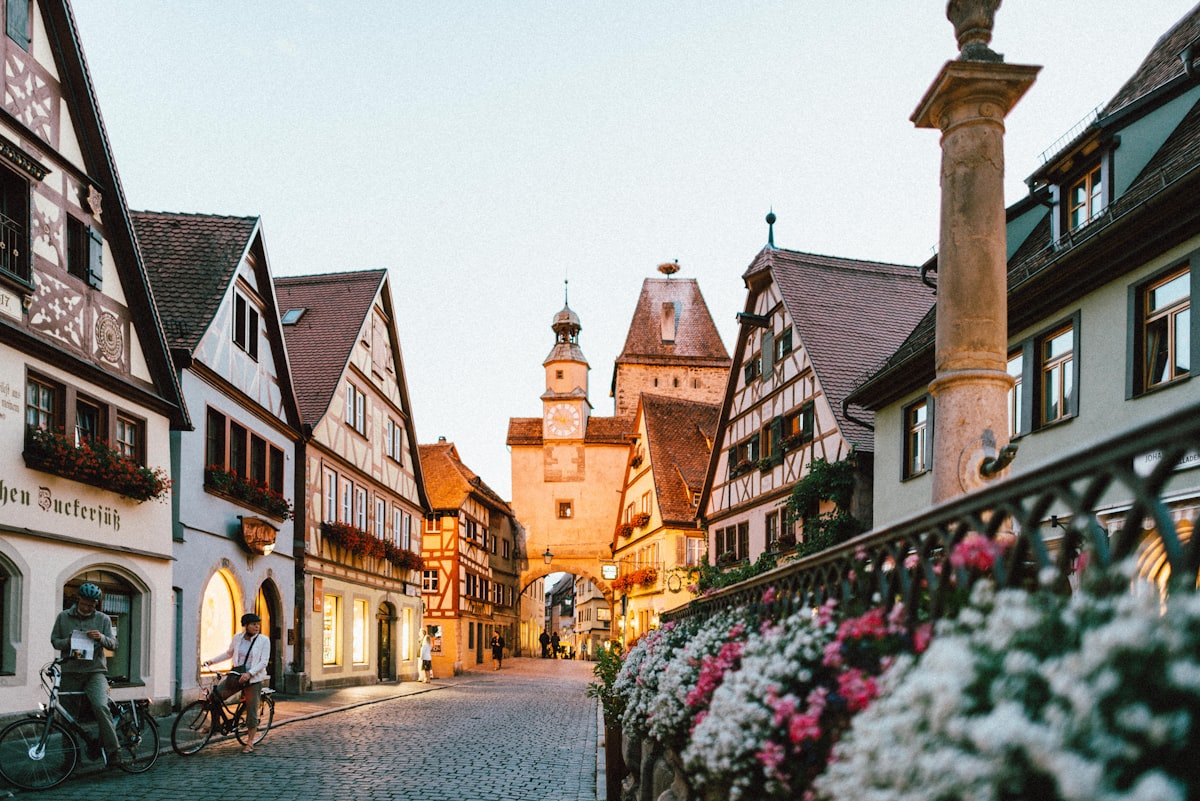
Eastern Europe is one of the best regions for low budget travel. Countries like Poland, Hungary, Romania, Bulgaria, and the Czech Republic offer beautiful cities, great food, and a full travel experience for very little money. You can eat well for under $5, sleep in a decent hostel for $12 to $18, and move between cities for almost nothing by bus.
If you want to go further, Southeast Asia is still one of the cheapest travel regions in the world. Vietnam, Cambodia, Laos, and Indonesia can all be done on under $30 a day if you travel smart. Central America is another strong option for travelers based in North America.
Before you book anything, do your research on daily costs. Our guide to the cheapest cities in Europe gives you a real breakdown of what to expect, and our guide to the cheapest countries to visit in Europe will help you narrow down exactly where your money will go the furthest.
How to Find Cheap or Free Flights
Flights are usually the biggest single cost in any trip, especially if you’re traveling internationally. But there’s a whole system to finding cheap fares that most people never learn because they just go straight to a booking site and accept whatever price comes up first.
Here’s what actually works:
- Use Google Flights and set price alerts. Search your route, click “track prices,” and Google will email you when the fare drops.
- Be flexible with dates. Flying on a Tuesday or Wednesday is almost always cheaper than weekends. Even one day of flexibility can save you $100 or more.
- Search nearby airports. If you live near multiple airports, check all of them. Sometimes flying out of a smaller hub is dramatically cheaper.
- Book 6 to 8 weeks in advance for short haul flights and 3 to 4 months ahead for long haul.
- Look for error fares and flash sales. These are airline pricing mistakes or limited time deals that can get you flights for almost nothing.
For a full breakdown of the best strategies, check out our guide on how to find cheap flights. If you want to go even deeper, our guide to how to find error fares and secret flight deals covers the tricks that frequent travelers use to fly for almost nothing.
One more option that many people sleep on: use miles and points. If you have a credit card with a travel rewards program, start saving points now. You can often redeem them for free or heavily discounted flights within a few months of signing up, especially with a welcome bonus.

Free and Cheap Accommodation Options
After flights, accommodation is the next biggest cost. But this is also the area where you have the most creative options, especially if you’re willing to be a bit flexible.
Hostels
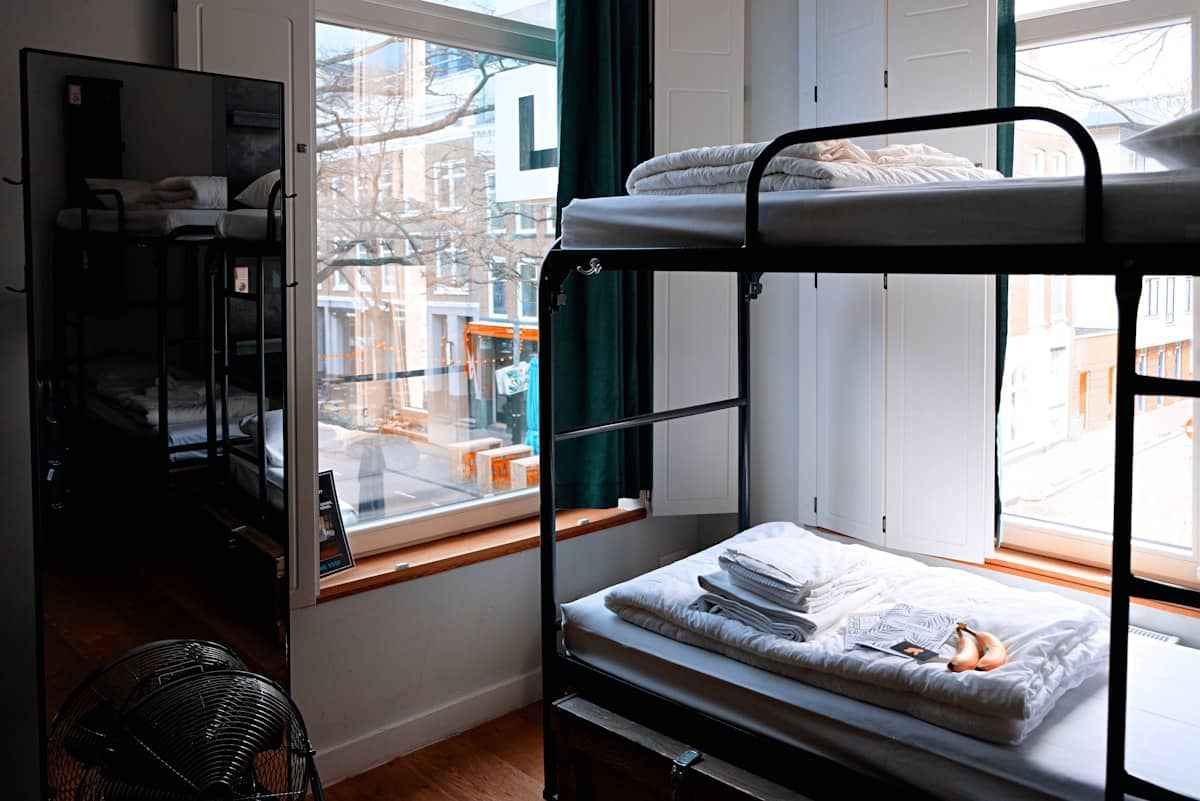
A good hostel in Eastern Europe or Southeast Asia will cost you $10 to $20 a night and often includes a free breakfast, a social lounge, and staff who know the area well. Hostels are not what they used to be. Many of them now have comfortable beds, private lockers, clean bathrooms, and a genuinely social atmosphere that hotels simply cannot offer.
Couchsurfing
Couchsurfing connects travelers with locals who offer a free place to stay. It’s completely free and one of the best ways to actually connect with a destination beyond the tourist layer. The key is building a solid profile, reading reviews carefully, and messaging hosts well in advance. It works best in larger cities and popular destinations.
House Sitting
Websites like TrustedHousesitters let you stay in someone’s home for free in exchange for looking after their pets or property while they’re away. It takes a bit of planning to land your first sit, but once you have a few reviews it becomes a genuinely powerful way to live rent free in incredible places for weeks at a time.
Stay With Friends or Family
This sounds obvious but a lot of people don’t think about it seriously. If you have a friend or distant relative in a city you want to visit, reach out. Most people are more willing to host than you’d expect, especially if you bring a small gift and help out around the place. A free couch in a city you’ve never visited can turn into one of your best travel experiences.
Camping
In many countries, particularly in Scandinavia and parts of Eastern Europe, wild camping is legal and perfectly safe. Even in countries where it’s not, official campgrounds are usually very cheap. A tent and a sleeping bag can pay for themselves on a single trip.
How to Travel Around for Less
Getting around inside a country or across a region doesn’t have to be expensive. In fact, transportation is one of the easiest areas to cut costs once you know what to look for.
Buses are almost always the cheapest option for ground travel. Companies like FlixBus in Europe and a range of similar operators in other regions offer incredibly cheap fares, sometimes just a few euros for a journey that would cost ten times more by train or taxi. The rides take longer, but for a budget traveler that’s a fair trade.
Trains in Europe can be very affordable if you book in advance and buy the right tickets. Our guide to traveling Europe by train for cheap covers exactly how to find the best fares and which passes are worth buying.
Budget airlines like Ryanair, Wizz Air, and easyJet regularly have fares under $20 for short European routes. You just need to be strict about baggage and avoid any add-ons. Our guide to the best budget airlines in Europe breaks down which ones are worth using and what to watch out for.
Walking and cycling are free and often the most enjoyable way to explore a city anyway. Most major cities have public bike sharing schemes that cost almost nothing for a day pass.

Eat Well Without Spending Much
Food is one of the great joys of travel, and it’s also one of the easiest areas to eat well for very little money if you approach it the right way.
The golden rule is simple: eat where locals eat. Step even one street away from the tourist centre and prices often drop by half. Street food, market stalls, and small family-run restaurants will always beat anything near a major square or popular landmark for both price and quality.
A few habits that make a real difference:
- Buy breakfast and snacks from supermarkets. A bag of fruit, bread, and yoghurt from a local supermarket costs almost nothing and means you’re not spending on three paid meals every day.
- Eat the “lunch special.” In many countries, restaurants offer a set lunch menu for a fraction of the dinner price. In Portugal and Spain this is called the “menu del dia” and you can get a full three-course meal for $8 to $12.
- Cook when you can. Many hostels have kitchens. Spending $10 on groceries and cooking a few meals during a week-long trip saves you a surprising amount.
- Try local fast food. Not McDonald’s. Local fast food. Falafel wraps in the Middle East, banh mi in Vietnam, pierogi in Poland. Filling, delicious, and usually under $2.
Daily Budget Comparison Table
Here’s a rough guide to what different travel styles actually cost per day in a typical budget destination like Eastern Europe or Southeast Asia.
| Travel Style | Daily Budget | Experience Level |
|---|---|---|
| Ultra Backpacker | $10 to $25 | Basic but functional. Dorm beds, street food, walking everywhere. |
| Budget Traveler | $25 to $50 | Comfortable. Mix of hostels and cheap guesthouses, local restaurants. |
| Mid-Range | $50 to $100 | Relaxed. Private rooms, sit-down meals, occasional tours or activities. |
| Comfortable | $100 to $200 | Easy. Hotels, restaurants of your choice, taxis when needed. |
Most people who plan a trip with no money are aiming for that first or second tier. It’s completely doable if you make the right choices on accommodation, transport, and food.
Smart Travel Hacks That Save Money
Beyond the big three of flights, accommodation, and food, there are dozens of smaller habits that add up to real savings over the course of a trip.
- Travel off-season. Prices for flights, accommodation, and even food drop noticeably outside of peak tourist months. You also get fewer crowds, better weather for getting around, and a more authentic experience.
- Book as early as possible for big items. The cheapest hostel beds and cheapest flight fares go first. Booking 6 to 8 weeks ahead is usually the sweet spot for European travel.
- Use apps like Hopper, Skyscanner, and Google Flights to track prices and find the best time to book.
- Walk instead of taking taxis or Ubers. Most city centres are very walkable and you’ll see so much more on foot.
- Get a travel-friendly bank card with no foreign transaction fees. Cards like Wise or Revolut let you spend abroad at the real exchange rate with no added charges, which saves a surprising amount over even a short trip.
- Use free walking tours. Almost every major city now has a free walking tour where you pay what you feel at the end. It’s one of the best ways to get your bearings and learn about a place.
- Visit free attractions. Many of the best things to see and do in any city are completely free. Parks, markets, religious sites, viewpoints, and public art are all part of the experience and cost nothing.
- Travel slowly. Spending more days in fewer places saves money on transport and often leads to deeper experiences.
Real Example of a Low Budget Trip
Here’s what a real 7-day budget trip to Poland looks like when you plan it properly.
Flight from Frankfurt to Krakow: Found on Ryanair with 4 weeks notice for $22 each way. Total flights: $44.
Accommodation: 6 nights in a well-reviewed hostel dorm at $14 per night. Total: $84.
Food: Breakfast from the supermarket each morning ($2), lunch at a local milk bar restaurant ($4), street food or cheap sit-down dinner ($6). Daily food: $12. Total: $84.
Transport within Poland: Two train journeys between Krakow and Warsaw at $8 each. City transport: $2 per day. Total: $30.
Activities: Free walking tours, Wawel Castle ($10), Auschwitz visit ($20), markets, parks, and exploring on foot. Total: $30.
Miscellaneous: SIM card, toiletries, one coffee each day. Total: $25.
Grand total: approximately $297 for a week in Poland.
That’s a full, proper trip with real experiences for under $300. Not a bad week for someone who thought they had no money to travel.

Frequently Asked Questions
Can you really travel with no money?
With literally zero money, it becomes very difficult. But with even a small amount saved, it’s very doable. Plenty of people travel long term on $500 to $1,000 a month. The key is choosing cheap destinations, keeping accommodation costs low, and eating like a local.
What is the cheapest way to travel?
The cheapest combination is usually a budget airline or bus to a low-cost destination, a hostel dorm or couchsurfing for accommodation, and street food or supermarket meals for eating. Walking and public transport keep your daily costs down once you arrive.
How do people travel long term with little money?
Long-term budget travelers usually combine a few strategies. They work remotely or pick up short-term jobs along the way, they stay in places for longer so they can negotiate cheaper rates, they use house sitting and couchsurfing regularly, and they avoid expensive countries unless they have a specific reason to go. Over time, living on the road often costs less than living at home.
How far in advance should I plan a budget trip?
For short trips in Europe, 4 to 8 weeks ahead usually gives you the best combination of flight prices and hostel availability. For peak summer travel, booking 3 to 4 months ahead is smarter. Last-minute budget travel is possible but risky because the cheapest options tend to go first.
Do I need travel insurance on a low budget trip?
Yes. Travel insurance is one cost you should not skip, even when money is tight. A single medical emergency abroad can cost more than ten years of travel insurance premiums. Basic travel cover for a week in Europe costs around $20 to $40 and is absolutely worth it.
Start Your Trip, Even Without a Full Bank Account
The travelers who actually go are not always the ones with the most money. They’re the ones who stopped waiting and started planning.
Every single section of this guide is a system you can start using today. Pick a cheap destination, set a flight price alert, open a Couchsurfing profile, and start putting a small amount aside each week. You don’t need to wait until your savings hit some magic number.
Travel is not about luxury. It’s about showing up, staying curious, and letting a new place change how you see things. That doesn’t require a big budget. It requires a decision.
Make the decision. The rest follows.
✈️ Free Travel Insider
Get Cheap Flight Deals & Visa Tips
Join budget travelers getting real deals, visa guides & hacks from Harold — free, straight to your inbox.
🔒 No spam, ever. Unsubscribe any time.