
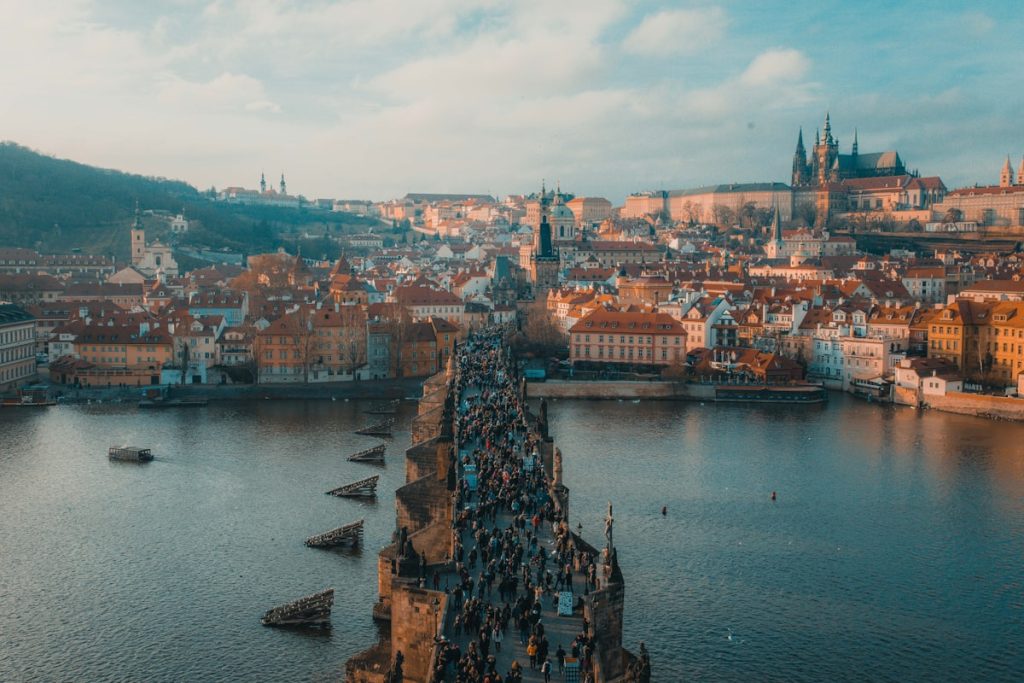
Planning a trip but worried about the cost? Good news: the cheapest cities in Europe aren’t some obscure, hard-to-reach corners of the continent. Many of them are stunning, historically rich, and more rewarding than the overpriced capitals most tourists default to. The secret is knowing where to go — and that’s exactly what this guide is for.
Europe isn’t one price. It’s dozens of wildly different economies packed onto one continent. Eastern Europe, in particular, operates at a fraction of Western Europe’s cost. A hostel dorm in Sofia costs less than a coffee in Zurich. A sit-down meal with beer in Krakow runs $5. This guide covers the 20 best cheapest cities in Europe for budget travelers — with daily cost estimates, top highlights, and one practical tip for each city to help you stretch your money further.
For a full strategy on planning affordable European travel, check out our complete guide to budget travel in Europe — it covers transport hacks, accommodation strategies, and real daily budget breakdowns across the continent. Also explore the cheapest countries to visit in Europe for a country-by-country breakdown.
Average Daily Budget in Europe’s Cheapest Cities
If you are working out how to plan a trip with no money, our complete guide covers cheap destinations, free accommodation, and the exact tools you need to get started.
Before diving into the city list, here’s a quick overview of what budget travel in Europe costs by region — so you can set realistic expectations for your trip:
If you are a student based in Germany, our guide to student travel from Germany covers the cheapest destinations, real trip budgets, and the booking strategies that make European student travel genuinely affordable.
| Region | Typical Cities | Daily Budget |
|---|---|---|
| Eastern Europe | Sofia, Krakow, Belgrade, Bucharest, Skopje, Tirana | $25–$45/day |
| Southeastern Europe | Sarajevo, Tbilisi, Ohrid, Kotor, Mostar | $25–$50/day |
| Central Europe | Budapest, Prague, Brno, Tallinn | $40–$65/day |
| Southern / Western Europe | Porto, Valencia, Athens | $55–$75/day |
The 20 Cheapest Cities in Europe for Budget Travelers
1. Krakow, Poland

Krakow is the gold standard for budget travel in Europe, and it’s not close. You can eat a full meal at a milk bar (bar mleczny) for under $4, sleep in a central hostel for $10, and spend three days exploring one of the continent’s best-preserved medieval old towns without spending much at all. The city punches so far above its price point that first-time visitors are genuinely shocked.
💰 Daily Budget: $30–$45/day
🏛️ Highlights: Wawel Castle and Cathedral (entry from free to $5), Kazimierz Jewish Quarter (free to explore), Auschwitz-Birkenau day trip ($18 guided tour)
💡 Budget Tip: Eat lunch at any bar mleczny — these communist-era canteens serve home-style Polish food at prices that seem like a misprint.
2. Budapest, Hungary
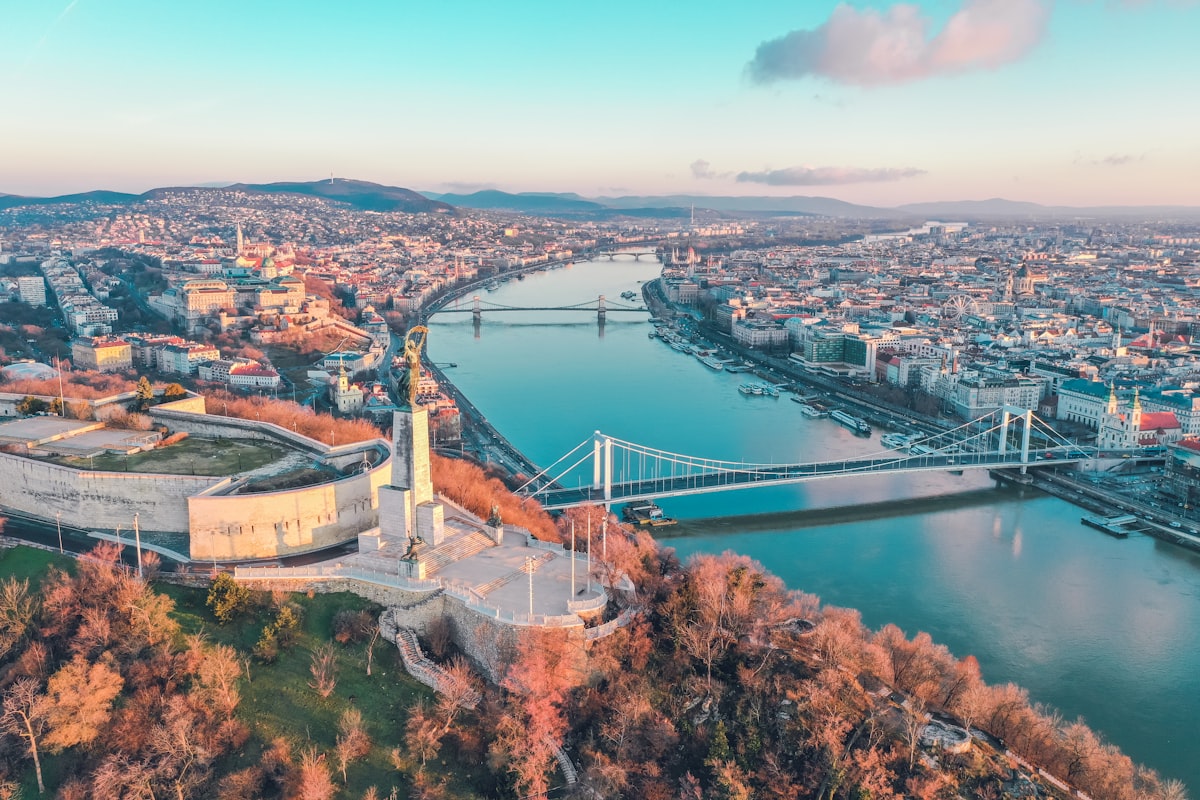
Budapest delivers a level of grandeur that cities costing three times as much can’t match. Thermal baths, ruin bars, a stunning Danube riverfront, and world-class nightlife — all accessible on a budget that would barely cover dinner in Paris. Even the famous Széchenyi Thermal Bath costs around $20 for a full day.
💰 Daily Budget: $40–$55/day
🏛️ Highlights: Széchenyi Thermal Bath, Fisherman’s Bastion (free access at most times), ruin bar district in the 7th district
💡 Budget Tip: Buy a Budapest Card if you’re staying 2–3 days — it covers unlimited public transport and free entry to many museums.
3. Sofia, Bulgaria
Bulgaria is the most affordable EU country for travellers, and Sofia is where you feel it most. The city has a sophisticated café culture, excellent food, and a fascinating mix of Roman ruins, Soviet architecture, and Orthodox churches — much of it completely free. Daily costs here are genuinely the lowest you’ll find in an EU capital.
💰 Daily Budget: $25–$40/day
🏛️ Highlights: Alexander Nevsky Cathedral (free), National Historical Museum ($3 entry), Vitosha Mountain accessible by metro for a half-day hike
💡 Budget Tip: Sofia’s free walking tour (Sofia Free Tour) is one of the best introductions to any European city. Tip what you can — it’s worth it.
4. Belgrade, Serbia
Belgrade doesn’t get nearly enough credit. It’s gritty, energetic, historically rich, and priced for local wages — which means international visitors get extraordinary value. The nightlife is world-class (floating clubs on the Sava river run until dawn), the food is excellent, and you can go out properly for less than $20.
💰 Daily Budget: $30–$45/day
🏛️ Highlights: Kalemegdan Fortress (free), Skadarlija bohemian quarter, Belgrade’s legendary river club (splav) scene
💡 Budget Tip: Avoid tourist restaurants on Knez Mihailova Street — walk two blocks in any direction and prices drop 40%.
5. Porto, Portugal
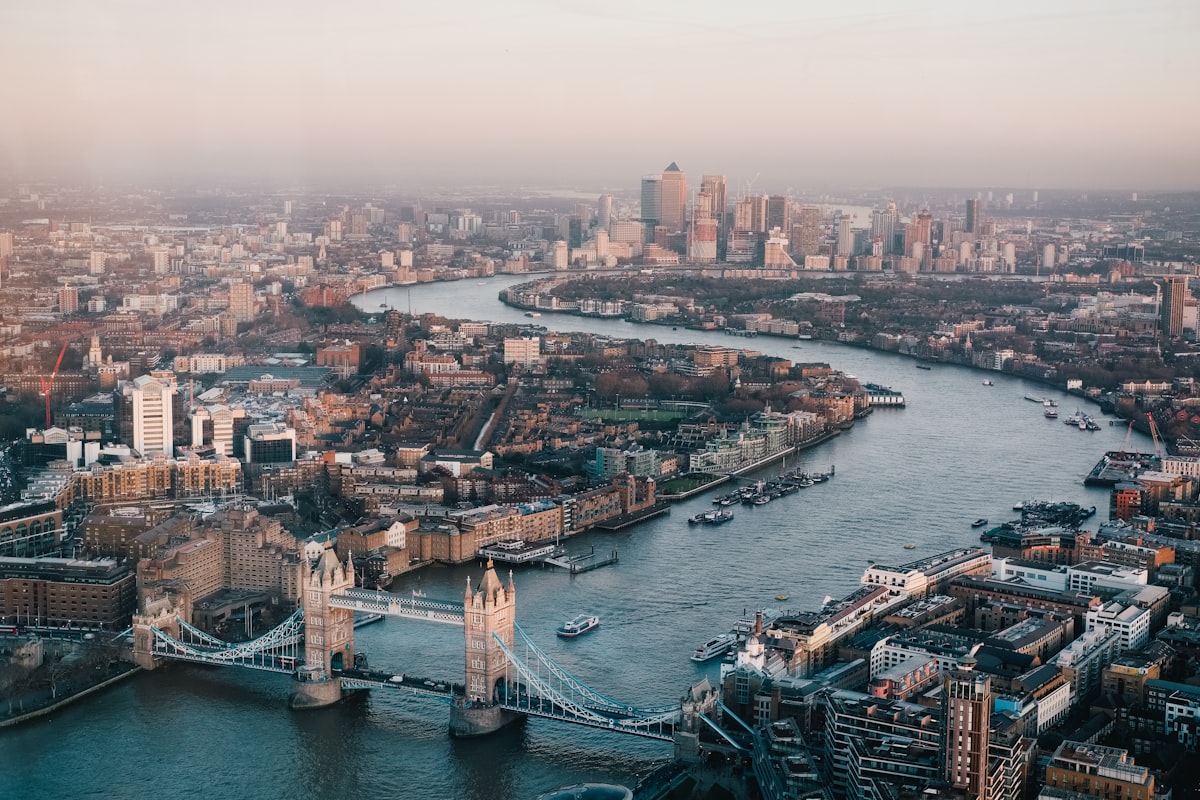
Porto is Western Europe’s best-kept budget secret. While Lisbon gets the headlines, Porto offers the same Atlantic charm, extraordinary wine, and world-class food at noticeably lower prices. The wine cellars of Vila Nova de Gaia, the azulejo-tiled churches, and the Ribeira riverfront make it one of Europe’s most beautiful cities.
💰 Daily Budget: $55–$75/day
🏛️ Highlights: Livraria Lello bookshop ($5 entry credited toward purchase), Ribeira waterfront, free wine tasting at Port wine cellars in Gaia
💡 Budget Tip: Look for the fixed-price lunch (prato do dia) at local tascas — around €8–10 with wine included.
6. Prague, Czech Republic
Prague is one of the most visited cities in Europe, and it’s still genuinely affordable if you know where to look. Step away from the Old Town Square tourist corridor and you’ll find excellent Czech food, great local beer (still some of the cheapest in Europe at €1.50–2 per pint), and architecture that’s hard to beat.
💰 Daily Budget: $45–$65/day
🏛️ Highlights: Prague Castle complex (from free to $15), Charles Bridge, Vinohrady and Žižkov neighbourhoods for local atmosphere
💡 Budget Tip: The tourist restaurants on Old Town Square charge 3x market price. Cross the river to Malá Strana or head to Žižkov for the same quality at half the cost.
7. Sarajevo, Bosnia and Herzegovina

Sarajevo is one of the most underrated cities in Europe. It sits at the crossroads of Ottoman and Austro-Hungarian history, and that cultural richness is completely free to experience. Street food (ćevapi and burek) costs almost nothing, accommodation is a fraction of Western European prices, and the dramatic mountain backdrop is stunning.
💰 Daily Budget: $25–$40/day
🏛️ Highlights: Baščaršija Old Bazaar (free), Yellow Fortress at sunset (free), War Childhood Museum (small entry fee, deeply moving)
💡 Budget Tip: Eat ćevapi at Ćevabdžinica Željo — a Sarajevo institution since 1957. A full portion with lepinja bread costs around $4.
8. Valencia, Spain
Valencia is Spain’s secret budget destination. While Barcelona and Madrid attract the crowds and the price tags, Valencia quietly offers better beaches, the birthplace of paella, a futuristic arts district, and a relaxed Mediterranean lifestyle — all at prices 30–40% lower than Spain’s two main tourist cities.
💰 Daily Budget: $55–$70/day
🏛️ Highlights: City of Arts and Sciences (exterior free, interior from €10), Malvarrosa Beach (free), Central Market (one of Europe’s finest, free to browse)
💡 Budget Tip: Don’t order paella on the beachfront — head inland to neighbourhood restaurants for the menú del día with a rice dish for €10–12.
9. Tbilisi, Georgia
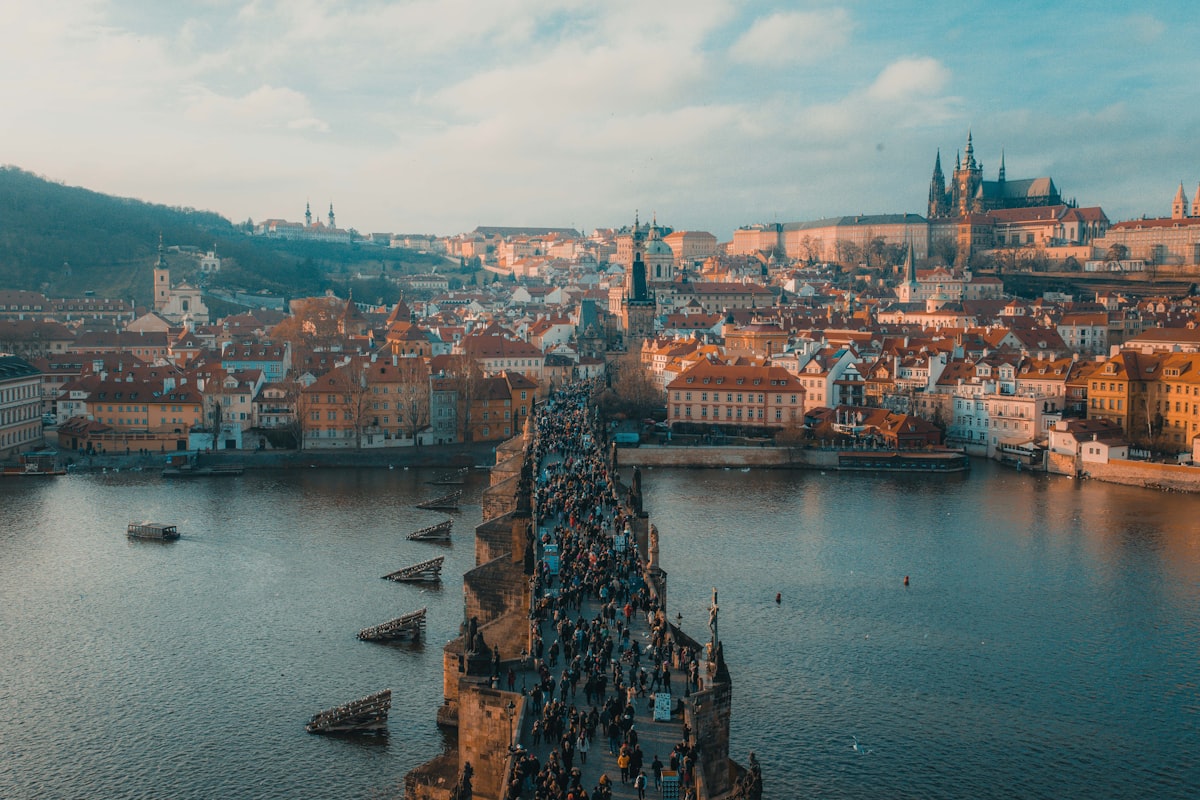
Tbilisi sits at the border of Europe and Asia, but it’s fully integrated into the European backpacker circuit — and it’s one of the most remarkable cities you can visit on a genuine shoestring. Georgian hospitality is extraordinary, wine flows cheap and freely, and the old town’s carved wooden balconies and sulphur bath district create an atmosphere unlike anywhere else.
💰 Daily Budget: $25–$40/day
🏛️ Highlights: Narikala Fortress (free), Abanotubani sulphur baths ($5–15), free cable car up to the Mtatsminda plateau
💡 Budget Tip: A bottle of excellent local Georgian wine at a shop runs $3–6. Georgian cuisine — khinkali dumplings, khachapuri cheese bread — is both outstanding and very affordable.
10. Tirana, Albania
Albania is one of Europe’s last truly undiscovered budget destinations, and Tirana is its chaotic, colourful, and increasingly cool capital. The city has transformed dramatically over the past decade — painted buildings, a buzzing café scene, excellent food — yet prices remain implausibly low for a European capital.
💰 Daily Budget: $20–$35/day
🏛️ Highlights: Skanderbeg Square (free), Bunk’Art museums ($3–4 entry), colourful Communist-era buildings in the Blloku district
💡 Budget Tip: Byrek (flaky pastry with cheese or spinach) from a street stall costs around $1 and makes a perfect breakfast in the Blloku neighbourhood.

11. Bucharest, Romania
Bucharest is routinely overlooked on the European backpacker trail, which means it remains genuinely cheap. The city has a surprisingly dynamic arts and food scene, a fascinating mix of belle époque architecture and communist-era megastructures, and nightlife that rivals cities twice its size.
💰 Daily Budget: $30–$45/day
🏛️ Highlights: Palace of the Parliament (world’s second-largest building, tours from $5), Floreasca neighbourhood for food, free street art in the Old Town
💡 Budget Tip: Use the Bolt or Uber app rather than street taxis — Bucharest sprawls and public transport is cheap but the metro doesn’t cover everything.
12. Brno, Czech Republic
While Prague gets all the attention, Brno — the Czech Republic’s second city — offers much of the same appeal at significantly lower prices. It’s a university city with great nightlife, a charming old town, and the relaxed confidence of a place that doesn’t perform for tourists.
💰 Daily Budget: $35–$50/day
🏛️ Highlights: Špilberk Castle (rampart views are free), Villa Tugendhat (UNESCO site, book ahead), the ossuary beneath St. James Church
💡 Budget Tip: Czech beer in Brno costs even less than in Prague — a half-litre of excellent lager at a local pub runs €1–1.50.
13. Plovdiv, Bulgaria
Plovdiv was European Capital of Culture in 2019 and still carries that energy — a thriving arts scene, one of the best-preserved Roman theatres in the world, and a beautiful old town of colourful revival-era houses, all at Bulgaria’s characteristically low prices.
💰 Daily Budget: $25–$40/day
🏛️ Highlights: Ancient Roman Theatre (free from outside, small fee to enter), Kapana Creative District, old town cobblestone streets
💡 Budget Tip: Stay in the old town if your budget allows — the 19th-century guesthouses are atmospheric and surprisingly affordable. Walk everywhere.
14. Tallinn, Estonia
Estonia is the most digitally advanced country in Europe, and Tallinn’s medieval old town is arguably the best-preserved in the region. Compared to its Nordic neighbours, Tallinn is a genuine bargain — and the old town alone justifies the visit.
💰 Daily Budget: $50–$70/day
🏛️ Highlights: Toompea Hill and Alexander Nevsky Cathedral (free), Telliskivi Creative City for food, Kadriorg Park and Palace
💡 Budget Tip: Avoid the old town restaurants — head to Telliskivi or Kalamaja for the city’s best and most affordable food.
15. Kotor, Montenegro
Montenegro is one of Europe’s most affordable coastal destinations, and Kotor’s walled old town — squeezed between dramatic karst mountains and the Adriatic — is one of the most spectacular settings in the Balkans. It’s priced well below the Croatian coast just across the border.
💰 Daily Budget: $40–$60/day
🏛️ Highlights: Kotor Old Town walls and fortress hike (€8, views are extraordinary), St. Tryphon Cathedral, sunset over the Bay of Kotor
💡 Budget Tip: Visit in May, June, or September — July and August bring cruise ships daily and prices spike noticeably.
16. Riga, Latvia
Riga has one of the finest collections of Art Nouveau architecture in Europe — entire streets of elaborately decorated early 20th-century buildings. The city is affordable, has excellent food, and rewards slow, exploratory walking.
💰 Daily Budget: $45–$65/day
🏛️ Highlights: Art Nouveau District (free to walk), Riga Central Market in old Zeppelin hangars (food from €1), Latvian Open-Air Ethnographic Museum
💡 Budget Tip: Riga Central Market is one of Europe’s largest — and cheapest — places to eat. Fresh produce and prepared food at prices locals actually pay.
17. Ohrid, North Macedonia
Ohrid is one of Europe’s hidden treasures — a UNESCO-listed lakeside town with Byzantine churches, crystal-clear water, and an old town that feels untouched by mass tourism. North Macedonia is one of the cheapest countries on the continent.
💰 Daily Budget: $25–$40/day
🏛️ Highlights: Samuil’s Fortress (€3, panoramic lake views), Church of St. John at Kaneo (free exterior), swimming in Lake Ohrid (free)
💡 Budget Tip: A grilled Lake Ohrid trout dinner with local wine costs $12–16 — a meal that would cost four times as much on the Mediterranean coast.
18. Skopje, North Macedonia
Skopje is bizarre, fascinating, and among the cheapest capitals in Europe. The city centre’s neoclassical statues and fountains are controversial but undeniably striking. Beyond the spectacle, the old bazaar — one of the largest in the Balkans — is genuinely compelling.
💰 Daily Budget: $20–$35/day
🏛️ Highlights: Old Bazaar (Čaršija) — free to explore, Kale Fortress (free), Macedonia Square fountain complex
💡 Budget Tip: A full burek pastry and glass of yogurt at a bazaar bakery costs under $2 — one of the best cheap breakfasts anywhere in Europe.
19. Athens, Greece
Athens is far more affordable than most people expect if you avoid the obvious tourist traps. The Acropolis is the non-negotiable paid attraction, but the surrounding neighbourhoods — Monastiraki, Exarcheia, Koukaki — offer excellent food and a local atmosphere at prices that reflect what Greeks actually pay.
💰 Daily Budget: $50–$70/day
🏛️ Highlights: Acropolis and Parthenon (€20 entry), free Acropolis Museum entry on the first Sunday of each month, Monastiraki flea market on Sundays
💡 Budget Tip: The €30 combined ticket covering the Acropolis and six other ancient sites is excellent value. Buy online in advance — summer queues are long.
20. Mostar, Bosnia and Herzegovina
Mostar’s famous Ottoman bridge (Stari Most) is one of the most beautiful structures in Europe, and the town around it — cobbled bazaar streets, minarets, a river gorge — is genuinely special. It’s small enough to see in a day but rewarding enough to stay longer, and Bosnia’s low prices keep it very manageable.
💰 Daily Budget: $30–$45/day
🏛️ Highlights: Stari Most bridge (free to cross), Kujundžiluk bazaar, free views from the hills above the old town
💡 Budget Tip: Stay overnight — Mostar is heavily day-tripped and the old town at dawn and dusk, after the tour groups leave, is extraordinary.

How to Choose the Best Budget Cities in Europe
Not all cheap cities are equal. Here’s a framework for picking the right one for your trip:
Match your budget to your region. Eastern Europe (Poland, Bulgaria, Romania, the Balkans) is consistently 40–60% cheaper than Western Europe. If daily budget is your primary constraint, prioritise these destinations first.
Factor in what you want to do. Beach destinations like Kotor and Ohrid are best in spring and early autumn. City break destinations like Krakow, Budapest, and Belgrade work year-round.
Consider shoulder season pricing. Even the cheapest cities in Europe get more expensive in peak summer (July–August). Visiting in April–May or September reduces both costs and crowds — often significantly.
Think about transport connections. Cities like Budapest, Belgrade, and Sofia have excellent budget airline and bus connections. More off-the-beaten-path destinations like Ohrid or Mostar require more planning to reach affordably.
Look at the budget travel in Europe infrastructure. Hostels, free walking tours, food markets, and public transport networks vary enormously. Cities with strong backpacker infrastructure — Krakow, Budapest, Prague — make budget travel significantly easier for first-timers.
Frequently Asked Questions About the Cheapest Cities in Europe
What is the cheapest city in Europe to visit?
For EU countries, Bulgaria’s cities — particularly Sofia and Plovdiv — are consistently the most affordable, with daily budgets of $25–40. Outside the EU, Tirana (Albania), Skopje (North Macedonia), and Sarajevo (Bosnia) are even cheaper at $20–35/day. Tbilisi in Georgia is also exceptional value and frequently cited as one of the most affordable cities on the European travel circuit.
How much does budget travel in Europe cost per day?
It varies significantly by region. In the cheapest cities (Sofia, Tirana, Skopje, Sarajevo), a realistic daily budget covering hostel accommodation, three meals, local transport, and one paid activity is $25–40/day. In mid-range budget destinations (Budapest, Krakow, Belgrade, Porto), budget $40–65/day. In relatively affordable Western European cities (Athens, Valencia, Prague), budget $55–75/day. These figures assume dorm hostel accommodation and eating at local restaurants rather than tourist spots.
Which European cities offer the best value for money?
Value means affordability combined with things to see, food quality, infrastructure, and overall experience. By that measure, Krakow, Budapest, and Porto consistently top the list. Krakow delivers historical and cultural richness that rivals far more expensive cities at genuinely low prices. Porto offers Western European quality and atmosphere at prices closer to Eastern Europe. For sheer experience-per-dollar, Tbilisi and Sarajevo are also exceptional.
Start Exploring the Cheapest Cities in Europe
The cheapest cities in Europe aren’t a compromise — they’re often the best cities. Krakow’s old town is as beautiful as Prague’s. Budapest’s thermal baths are unlike anything in Western Europe. Tbilisi’s old town is genuinely extraordinary. Sarajevo carries a weight of history that few cities in the world can match. None of these places will drain your bank account.
Budget travel in Europe is less about sacrifice and more about geography. Go East before you go West. Travel during the cheapest time to visit Europe — shoulder season rather than peak. Eat where locals eat. Walk instead of taking taxis. And choose cities where your money goes further — because on this list, it really does.
Planning your journey by rail? Our guide on how to travel Europe by train for cheap covers every strategy for cheap train travel across Europe.
If you are based in Germany, you have one of the best launchpads in Europe for visiting every city on this list. Many of these destinations are just a few hours away by train or budget flight — read our guide to budget travel from Germany for specific strategies, transport tips, and cost breakdowns designed for travelers starting their journey in Germany.
Getting to these cities affordably is just as important as what you spend once you arrive. Many of them are well-served by budget carriers — our guide to the best budget airlines in Europe covers which airlines fly to Eastern European cities, what fares to expect, and how to book at the lowest prices.
Getting to these cities cheaply is the first step — and error fares make that even more achievable than standard budget airline prices. Our guide to finding error fares and secret flight deals covers the best tools and websites for catching mistake fares to Eastern European destinations.
Getting to these cities at the lowest possible price is the critical first step. Our complete guide on how to find cheap flights covers all the strategies for booking affordable fares to Eastern European destinations — from comparison tools to shoulder season windows.
Ready to plan your trip? Read our complete guide to budget travel in Europe for transport hacks, accommodation strategies, daily budget frameworks, and real cost breakdowns from cities across the continent. And if you’re planning a tight daily spend, our guide on how to travel Europe on $50 a day walks you through exactly how to make it work.
Travelers exploring affordable cities can discover more destinations in our complete list of budget travel destinations.