
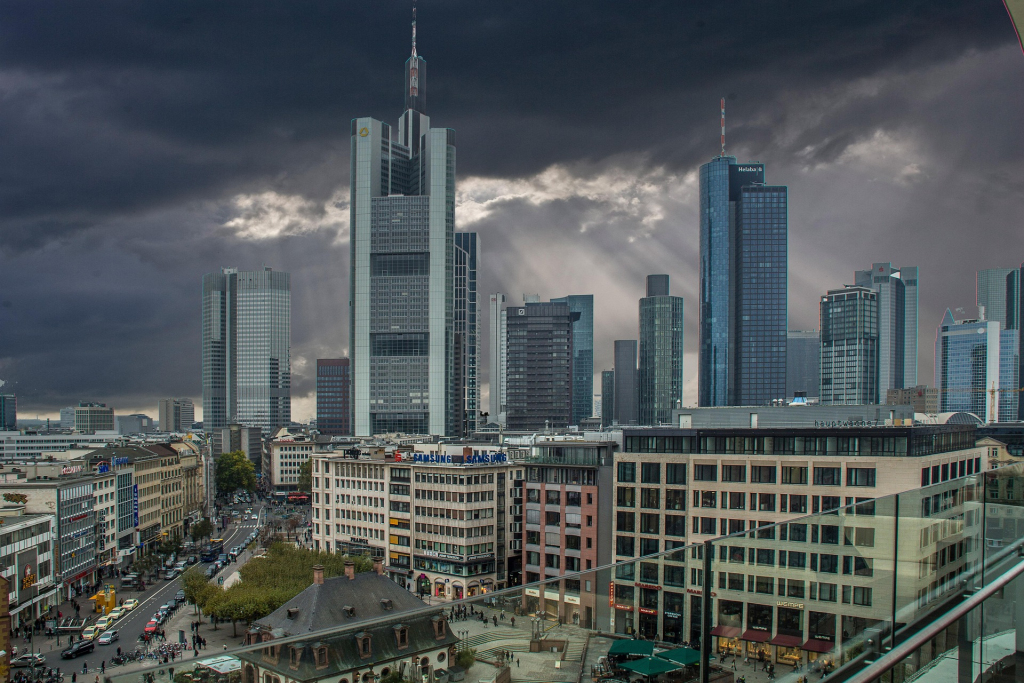
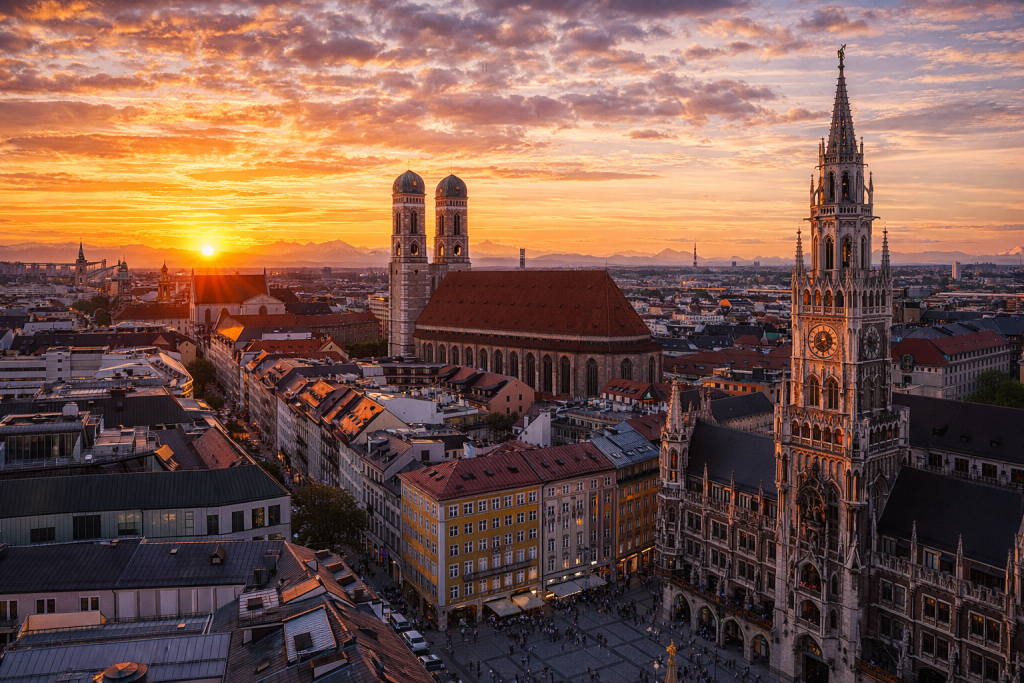
I remember sitting in my room in Lagos at 2am, staring at my ceiling and thinking: is Germany actually possible for me?
I had a degree. I had some savings. But I had no idea where to start. Every article I read felt like it was written for someone who already knew the system. Every visa page felt like a maze. And the question that kept running through my head was simple: how much is this going to cost, and can I really pull this off?
If that sounds familiar, this guide is for you.
The decision to migrate to Germany is one of the most significant you will make. Germany in 2026 is genuinely one of the most accessible countries in the world for international migrants. The system has been reformed, the pathways are clearer than ever, and the demand for foreign workers, students, and skilled tradespeople is real. But you need to understand how it works before you can navigate it properly.
Whether you are seeking enhanced career opportunities, world-class education, or a fresh start in a country renowned for its culture and economy, Germany stands out as an excellent choice. This complete guide covers every practical step, real cost, and honest piece of guidance you need to migrate to Germany successfully — without unnecessary confusion or expensive mistakes.
Why Migrate to Germany in 2026?

Germany offers more than just Oktoberfest, stunning castles, and high-speed Autobahns. It is also among the top destinations for living and working anywhere in the world. In 2026, Germany has further streamlined its immigration system, making it more accessible and welcoming for skilled professionals, students, entrepreneurs, and families who want to migrate to Germany.
Here are the compelling reasons why people choose to migrate to Germany over other European destinations:
- Strong Economy: Germany boasts one of the world’s most stable economies, providing numerous job opportunities across almost every sector.
- High-Quality Healthcare: Universal healthcare ensures exceptional medical services for all residents from day one.
- Top-Tier Education: Home to prestigious universities, Germany offers minimal to no tuition fees at most public institutions. Our guide on how to study in Europe for free explains exactly how to take advantage of this.
- Abundant Work Opportunities: The German labour market faces shortages in healthcare, engineering, IT, and skilled trades — making it genuinely easier to find employment than in most Western countries.
- Pathway to Citizenship: Recent immigration reforms enable applications for permanent residency in as little as three years and citizenship within five years.
- Safety and Security: Germany consistently ranks among the safest countries globally for migrants and residents alike.
The practical reality is this: Germany needs workers, and the government has made it considerably easier to migrate to Germany in 2026 than it was even two years ago. If you have a skill, a qualification, or a willingness to train, there is a pathway in.
Migration Pathways Comparison
| Pathway | Estimated Cost | Difficulty | Processing Time | Best For |
|---|---|---|---|---|
| Student Visa | €75 fee + €11,208 blocked account | Moderate | 6 to 12 weeks | International students with university admission |
| Skilled Worker Visa | €75 to €100 visa fee | Moderate | 8 to 12 weeks | Professionals with a job offer and recognised qualifications |
| EU Blue Card | €100 visa fee | Moderate | 8 to 12 weeks | University graduates earning above ~€45,300/yr salary threshold |
| Opportunity Card (Chancenkarte) | €100 fee + ~€12,000 proof of funds | Moderate | 8 to 12 weeks | Skilled workers who want to migrate to Germany without a job offer |
| Ausbildung (Vocational Training) | Low — trainees receive a monthly stipend | Low to Moderate | 4 to 8 weeks | People without a degree who want a German trade qualification |
| Freelance / Self-Employment Visa | €100 visa fee | Moderate to High | 8 to 14 weeks | Entrepreneurs and freelancers with clients or a business plan |
| Family Reunification Visa | €75 visa fee | Low to Moderate | 8 to 12 weeks | Spouses and children of German residents |
Pathways to Migrate to Germany in 2026

Several legal avenues exist for those who want to migrate to Germany, tailored to diverse circumstances. Here is an overview of the most prevalent options and what each one actually requires in practice. The Make it in Germany portal, run by the German government, is an excellent free starting point for understanding which pathway suits your background.
1. Employment-Based Migration: Ideal for Skilled Professionals
Germany actively seeks skilled workers to fill roles in IT, healthcare, engineering, and construction. If you have professional experience and want to migrate to Germany, this pathway is particularly advantageous.
Steps to Migrate to Germany in 2026 as a Skilled Worker
Secure Employment in Germany: Use job portals like Indeed Germany, StepStone, LinkedIn, or the German Federal Employment Agency (Agentur für Arbeit) to find suitable positions. The Make it in Germany job board is an excellent free resource listing roles by sector with full guidance on the qualification recognition process.
Get your qualifications recognised: Before you can migrate to Germany on a work visa, German authorities need to confirm your degree or professional certification is equivalent to the German standard. Use the anabin database or the DAAD recognition portal to check your qualification status. Allow 4 to 8 weeks for the formal recognition process — this step catches many people off guard, so start early.
Obtain a Work Visa or EU Blue Card: Once you have a job offer with a salary above approximately €45,300 per year (or €35,100 in shortage occupations), you qualify for the EU Blue Card — which processes faster and gives a direct path to permanent residency. For salaries below this threshold, apply for the standard skilled worker visa.
Relocate and commence employment: Once your visa is approved, register at the Einwohnermeldeamt, open a bank account, enrol in health insurance, and begin your role. Most international employers assist with the initial administrative steps.
Common mistake to avoid: Do not resign from your current job before your visa is approved. Processing takes 8 to 12 weeks and sometimes extends further. Keep your options open until the visa is in hand.
Introducing the Opportunity Card (Chancenkarte) in 2026
For those without a job offer who still want to migrate to Germany, the new Opportunity Card (Chancenkarte) permits skilled workers to enter Germany without prior employment and search for work from inside the country.
- Educational Qualifications: Possession of a degree or vocational certification recognised in Germany.
- Points-Based Assessment: Points awarded based on education, work experience, age, and language proficiency.
- Financial Proof: Approximately €12,000 to €13,000 in available funds to support yourself during the job search period.
The Opportunity Card grants a one-year period to secure employment. Once you find a job, you transition to a work permit without leaving Germany. You can also work up to 20 hours per week during the search period to offset living costs.
The Ausbildung Route: Germany’s Most Underrated Pathway
Many people want to migrate to Germany but focus exclusively on the university or skilled worker routes and miss the Ausbildung (vocational training) pathway entirely — which is arguably the most accessible route for people without a university degree.
Ausbildung is a dual vocational training system where you work for a German company and attend vocational school simultaneously for two to three years. During this time you receive a monthly stipend of €600 to €1,200. No blocked account is required. You earn a German vocational qualification and then transition to a full work permit and permanent residency pathway. Popular fields include nursing, IT systems, electrical engineering, hospitality, and retail. German language at B1 to B2 level is generally required.
2. Academic Pursuits: Leveraging Germany’s Tuition-Free Education
For students who want to migrate to Germany, the country stands out as a premier destination for higher education. Most public universities charge no tuition fees — making it genuinely accessible to international students from developing countries.
1. University Application: Apply to institutions such as TU Munich, Heidelberg University, or LMU Munich, or any of over 400 public universities across Germany. Use the DAAD portal (daad.de) or Uni-Assist to search programmes and apply. Some universities require a Studienkolleg (foundation year) — this is a structured preparation year, not a setback.
2. Secure a Student Visa: You need proof of university acceptance and a blocked account (Sperrkonto) holding approximately €11,208, opened before leaving your home country through providers like Fintiba or Expatrio.
3. Relocate and Begin Studies: Students can work up to 20 hours per week during term time and full-time during semester breaks. After graduating, you get an 18-month job seeker visa — one of the best post-study pathways in Europe. For the full student route breakdown, read our guide on how to study in Europe for free.
Post-Graduation Opportunities
Graduating from a German university gives you 18 months on a job seeker visa, an EU residence permit, and a German-recognised degree. Employers actively seek graduates from German institutions. Many students find employment in their field within three to six months of graduating, often without needing to leave Germany at any point.
3. Entrepreneurial Ventures: Establishing a Business in Germany
Germany offers a genuinely strong environment for entrepreneurs who want to migrate to Germany and launch a business. With a viable concept, you can apply for a self-employment visa.
Steps to Migrate to Germany in 2026 as an Entrepreneur
1. Develop a Business Plan: Illustrate how your business will positively impact the German economy — by creating jobs, filling a market gap, or generating revenue. German authorities review business plans carefully. Make it detailed and credible.
2. Secure Financial Resources: Ensure adequate capital to initiate and sustain the business. Demonstrating at least €20,000 to €30,000 in available funds significantly strengthens your application.
3. Apply for a Self-Employment Visa: Upon approval, you can relocate and commence operations. A successful business paves the way for permanent residency within three years. Freelancers in design, software, writing, or consulting can also apply for a freelance visa (Freiberufler) with slightly different requirements.
4. Migrating for Family Reunification

If you have family members already residing in Germany, you might qualify for a family reunification visa — one of the more accessible ways to migrate to Germany.
- Spouses and children under 18 are eligible for reunification.
- Basic German language skills (A1 level) may be required for spouses joining non-EU residents.
- Proof of financial stability — your family member in Germany must show they can support you financially.
The family reunification route is often overlooked but is one of the lowest-difficulty pathways to migrate to Germany. Once inside Germany on this visa, you can apply for work permissions and build your own independent status over time.
Step-by-Step Guide to Migrate to Germany in 2026
Once you have chosen the right visa pathway, here is how to execute your move smoothly. This process applies regardless of which route you take to migrate to Germany.
Step 1: Gather Your Documents
Prepare all required documents before applying. Missing even one can delay your application by months. The German Foreign Office visa page lists the exact requirements for every visa category.
- Valid passport (at least six months validity beyond your intended stay)
- Job contract or university acceptance letter
- Proof of qualifications (officially translated into German by a certified translator)
- Proof of financial stability (blocked account for students, salary proof for workers)
- Health insurance coverage (mandatory from day one)
- Biometric passport photos
- Criminal record certificate from your home country (apostilled where required)
Document Checklist by Pathway
| Document | Required For | Notes |
|---|---|---|
| Valid passport (6+ months validity) | All pathways | Must be machine-readable |
| University acceptance letter | Student visa | From a recognised German public university |
| Job offer letter | Skilled worker, Blue Card | Must confirm salary and job title |
| Degree / diploma (certified translation) | All pathways | Certified German translation required |
| Blocked account proof (€11,208) | Student visa | Open with Fintiba or Expatrio before leaving home |
| Language certificate | Student, Ausbildung, some worker visas | IELTS/TOEFL for English; TestDaF/DSH for German programmes |
| Proof of funds (~€12,000) | Opportunity Card | Bank statements for last 3 months |
| Business plan | Self-employment / freelance visa | Must demonstrate economic benefit to Germany |
| Health insurance certificate | All pathways | Public or private, valid from date of arrival |
| Criminal record certificate | Most pathways | May require apostille stamp from your government |
Step 2: Apply for a Visa

Book an appointment at the German embassy or consulate in your home country and submit your application. Visa processing typically takes 8 to 12 weeks, so apply at least 3 to 4 months before your intended move date.
Do not use unofficial agents charging high fees for what is essentially a document submission process. The German embassy website lists exact requirements and you can manage this yourself. Embassy fees range from €75 to €100. During your interview, be specific and prepared — know your employer or university, the salary or tuition situation, and where you plan to live.
Step 3: Plan Your Arrival in Germany
Find a Place to Live before you land. In Berlin, Munich, Hamburg, and Frankfurt, rental markets are competitive. Use platforms like WG-Gesucht (shared flats), Immobilienscout24, or Kleinanzeigen. Expect a deposit of two to three months rent upfront. Budget-conscious migrants who want to migrate to Germany affordably often start in a shared flat (WG) — this is normal and widely accepted in German culture.
Learn Basic German — even A1 to A2 level helps dramatically. Deutsche Welle’s free online German courses are excellent for beginners and are completely free. Apps like Duolingo and Babbel are also solid supplements.
Understand German Culture — Germans value punctuality, efficiency, and direct communication. Social norms differ from many African, Asian, or Latin American cultures. Being aware of this upfront prevents misunderstandings in both your personal and professional life.
Book your flight strategically. Understanding how to find cheap flights every time can save hundreds of euros on that initial journey — money better spent on your first month’s setup costs.
Step 4: Register in Germany

Once you land, register within two weeks at the Residents’ Office (Einwohnermeldeamt or Bürgeramt). This is mandatory. Failing to register on time affects your ability to open a bank account, apply for your residence permit, and access services.
Bring your passport, lease agreement or landlord confirmation letter, and visa. You receive a Meldebescheinigung (registration certificate) which is needed for almost everything that follows.
- Apply for your residence permit at the Ausländerbehörde within the validity period of your entry visa
- Open a German bank account — N26, Deutsche Bank, or Commerzbank are popular choices for newcomers
- Enrol in German health insurance — mandatory for all residents. Public insurance through TK, AOK, or Barmer is the standard option
- Your tax identification number (Steuer-ID) arrives by post automatically after registration and is needed for salary payments
Real Cost Breakdown: What Does It Actually Cost to Migrate to Germany?
One of the most asked questions from people planning to migrate to Germany is about money. Here is an honest breakdown of both the one-time migration costs and ongoing monthly expenses.
One-Time Migration Costs:
- Visa fee: €75 to €100
- Blocked account (students): €11,208 — your own money, released monthly once you arrive
- Document translations: €50 to €200 per document
- Apostille / notarisation: €20 to €100 per document
- Flight to Germany: €300 to €900 depending on origin and booking time
- First month rent deposit (2 to 3 months rent): €800 to €3,000 depending on city
Monthly Cost of Living in Germany
| Expense | Monthly Cost (€) | Notes |
|---|---|---|
| Rent (shared flat / WG) | €300 to €600 | Most affordable option for new arrivals and students |
| Rent (private studio apartment) | €600 to €1,200 | Varies significantly — Munich is the most expensive city |
| Food and groceries | €200 to €350 | Cooking at home is far cheaper than eating out daily |
| Public transport | €29 to €60 | The Deutschlandticket covers all local and regional transport for €29/month |
| Health insurance | €110 to €220 | Students pay reduced rates (~€110/month); employees pay proportionally |
| Phone and internet | €20 to €40 | Prepaid SIM cards available from €10/month |
| Personal expenses | €100 to €200 | Clothing, toiletries, entertainment |
| Total budget estimate | €759 to €1,470 | Varies significantly by city and lifestyle |
Living in smaller cities like Leipzig, Dortmund, Chemnitz, or Magdeburg cuts monthly costs by 30 to 40 percent compared to Munich or Frankfurt — with comparable education quality and strong job markets. Once settled, Europe becomes your backyard. Our guide on budget travel in Europe will help you explore the continent without overspending.
A Real Story: Chidi’s Move from Abuja to Frankfurt
Chidi was a 29-year-old software developer in Abuja with four years of experience and about €3,000 in savings. He wanted to migrate to Germany but had never been to Europe and did not speak German.
He spent three months researching the EU Blue Card route, had his Nigerian degree formally assessed through the anabin database, and applied for roles on LinkedIn and StepStone. A mid-sized IT firm in Frankfurt offered him a position at €52,000 per year — above the Blue Card salary threshold.
He booked his embassy appointment, submitted his documents, and received his Blue Card within 10 weeks. His employer helped with relocation and covered his first month in a serviced apartment while he found a shared flat for €480 per month with good transport links. Within 90 days he had registered at the Bürgeramt, opened a bank account, enrolled in health insurance, and started work. He repaid his family emergency loan with his first full salary. By month six he was booking weekend trips to Amsterdam and Prague.
He was not special. He was prepared. That is the real difference between people who successfully migrate to Germany and those who keep putting it off.
Final Thoughts: Is Moving to Germany in 2026 Worth It?
Absolutely. Germany is one of the best countries in the world for work, education, and quality of life. With the immigration reforms of 2024 and 2025 now fully in effect, it has never been more accessible to migrate to Germany. Whether you are a skilled worker, student, entrepreneur, or Ausbildung candidate, there is a structured, achievable pathway — if you prepare properly.
Start planning now. And remember, GrandRoyal Travel is here to help with travel tips, visa guidance, and everything you need for a successful move. Thinking about how to migrate to Germany in 2026? Let us know in the comments or reach out for personalised advice.
Explore our online travel search engine at Grand Royal Travel Booking Site to compare exclusive discounts on flights, hotels, and comprehensive travel plans. We regularly offer up to 50% off on all bookings, ensuring more affordable and convenient travel experiences.
Frequently Asked Questions
What are the easiest ways to migrate to Germany in 2026?
The most accessible pathways to migrate to Germany depend on your background. For skilled workers with a job offer, the EU Blue Card or Skilled Worker Visa is most direct. Without a job offer, the Opportunity Card lets you enter and job-search from inside Germany. Without a degree, the Ausbildung (vocational training) route is achievable and includes a monthly stipend from day one.
How much money do you need to move to Germany?
To migrate to Germany as a student, approximately €11,208 must be in a blocked account. For skilled workers, a confirmed job offer replaces the need for large personal savings. For the Opportunity Card, proof of €12,000 to €13,000 is required. Beyond visa requirements, budget at least €1,500 to €3,000 for relocation costs including flights, deposits, and first-month setup expenses.
Is Germany really free to migrate to?
The visa itself costs €75 to €100. The blocked account for students is your own money returned monthly — not a fee. University education at public institutions is free or near-free. So the cost to migrate to Germany is far lower than most people assume. The main investment is document preparation and relocation costs.
Can I move to Germany without speaking German?
Yes, particularly in tech, finance, and startups in Berlin, Munich, and Frankfurt where many companies operate in English. However, even basic German improves your daily life quality and employment opportunities significantly. For Ausbildung, B1 to B2 German is generally required. The earlier you start learning, the smoother your transition when you migrate to Germany.
Which visa is easiest to get?
The student visa is often the most structured and predictable — if you have an acceptance letter and a funded blocked account, approval rates are high. Family reunification is also relatively straightforward when financial requirements are met. For workers, the EU Blue Card is efficient when salary and qualifications meet the threshold.
Can I work immediately after arriving in Germany?
It depends on your visa. Skilled worker and Blue Card holders can begin work immediately. Students work up to 20 hours per week during term time. Opportunity Card holders work up to 20 hours while job-searching. Ausbildung trainees begin paid training from day one. Always verify your specific visa conditions before accepting any employment.
Is it easy to find English-speaking work in Germany?

Yes — particularly in tech, finance, and startups in Berlin, Munich, and Frankfurt. Many international companies operate in English, and Germany actively recruits skilled workers from abroad. Learning basic German significantly improves long-term employment prospects, but it is not a barrier to getting started for most professionals who migrate to Germany today.
Keep Exploring on GrandRoyal Travel
If you are settling into Germany, Europe is on your doorstep. Start with our budget travel in Europe guide and explore the cheapest countries to visit in Europe that are easiest and most affordable to reach from Germany. For affordable transport between countries, see how to travel Europe by train for cheap.
Travelers exploring affordable cities can discover more destinations in our complete list of budget travel destinations. And if you are still deciding between studying and working as your route, our comparison guide on how to move to Europe from Nigeria breaks down all three pathways honestly side by side.