
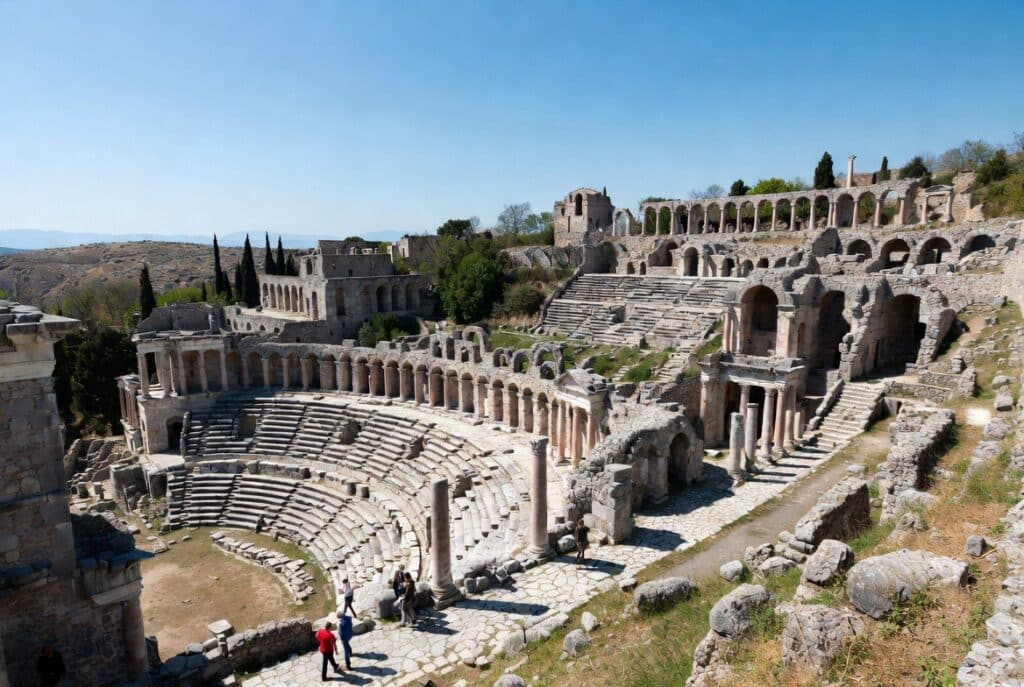
For a long time, Bulgaria sat in that quiet corner of Europe that budget travelers almost didn’t want to talk about too loudly. It was cheap, it was real, and it had not yet been fully pulled into the pricing patterns of Western Europe.
You could land there with a small budget and still eat well, move around easily, and stay somewhere decent without constantly checking your bank balance.
Now things are shifting.
With Bulgaria moving closer to full Eurozone integration, prices are starting to adjust. You notice it first in the cities, then in the tourist areas, and slowly it spreads outward.
So the question is simple.
Is Bulgaria still cheap in 2026, or is it heading in the same direction as places like Croatia and Greece?
The honest answer is not black and white.
Bulgaria is still affordable, but it is no longer cheap everywhere. If you plan well, it remains one of the best value destinations in Europe. If you follow the crowd without thinking, it can feel surprisingly expensive.
This guide breaks it down properly, with real numbers and clear expectations so you know exactly what you are walking into.
Table of Contents
- Quick Answer: Is Bulgaria Still Cheap in 2026?
- What Changed After the Eurozone Shift
- Accommodation Costs in Bulgaria 2026
- Food and Drink Prices
- Getting Around Bulgaria
- Cost of Activities and Experiences
- Daily Budget Breakdown
- City Cost Breakdown: Sofia vs Plovdiv vs Black Sea
- A Realistic 5 Day Bulgaria Budget Itinerary
- Common Mistakes That Make Bulgaria Feel Expensive
- Where Bulgaria Is Still Cheap
- Where It’s Getting Expensive
- Best Time to Visit on a Budget
- Practical Budget Tips for 2026
- Is Bulgaria Still Worth It?
- Frequently Asked Questions
- Final Thoughts
Quick Answer: Is Bulgaria Still Cheap in 2026?
Yes, but with conditions.
If you stay flexible, avoid peak tourist zones, and travel a little more intentionally, Bulgaria is still one of the cheapest countries in Europe in 2026. It holds up well against most of the continent, especially when you compare it to the likes of Italy, Spain, or even neighbouring Greece.
But the gap is closing.
Sofia is more expensive than it used to be. Coastal areas in summer can feel like a completely different country when it comes to pricing. Ski resorts in winter follow the same pattern. The Bulgaria still cheap 2026 reality is very real, but it depends entirely on where and when you travel.
The key difference now is awareness. You cannot just show up and expect everything to be cheap. You need to understand where your money stretches and where it disappears quickly.
A traveler who lands in Sofia, stays in the city center, eats every meal on Vitosha Boulevard, and takes taxis everywhere will walk away thinking Bulgaria is no longer a budget country. Another traveler in the same week, staying two metro stops out, eating at small local spots, and using buses, will spend half as much and enjoy the trip more.
Same country. Completely different experience. That is the reality of Bulgaria travel cost in 2026.
What Actually Changed After the Eurozone Shift?
The shift has not been overnight, but you can feel it.
Prices in Bulgaria are becoming more aligned with the rest of Europe, especially in places that attract international visitors. Hotels, restaurants, and transport services in major cities are slowly adjusting to what tourists are willing to pay.
Part of this is psychological. When prices were shown in Bulgarian lev, a 12 lev meal felt like a small number. Translated into euros, the same meal sits at around 6 euros, and somehow people react to it differently, both locals and tourists. Business owners noticed this, and some quietly nudged their prices upward to match the new mental framing.
Part of it is genuine cost pressure. Energy, imports, and wages have been rising across Europe, and Bulgaria is not immune. Currency alignment with the euro just made those pressures more visible.
At the same time, local Bulgaria still exists.
Walk a few streets away from the center in most cities and the prices drop. Sit in a local restaurant instead of a tourist-facing one and you will see the difference immediately. Buy your bread from a neighbourhood bakery and it costs under a euro.
That split is now the reality.
There is a version of Bulgaria that is still very affordable, and another version that is catching up with mainstream European pricing. The travelers who do well here are the ones who learn to move between both.
Before vs Now: A Realistic Comparison
To put the shift in perspective, here is roughly how things have moved in the last couple of years.
A basic hotel room in central Sofia that used to go for around 35 to 45 euros a night now sits closer to 50 to 70 euros. A full meal at a mid-range local restaurant that cost about 7 to 8 euros is now closer to 10 to 12 euros. A beer that sat at 1.50 euros in 2022 is now 2 to 3 euros in most bars, sometimes higher near the main squares.
Public transport has moved less. Bus tickets, metro rides, and intercity buses are still close to what they were, which is one of the reasons Bulgaria still works as a budget destination overall.
So Bulgaria Eurozone prices are higher than a few years back, but they have not doubled or tripled. The country is adjusting, not transforming.
Accommodation Costs in Bulgaria (2026 Reality)
Accommodation is where the change is most visible.
A few years ago, it was easy to find very cheap rooms almost anywhere. That is still possible, but not as consistently, especially in popular areas.
In Sofia, hostel dorms now sit around 12 to 20 euros per night. Budget hotels range from 30 to 55 euros, depending on location and quality. If you want something more comfortable, you are looking at 60 to 100 euros for a mid-range hotel.
Plovdiv follows a similar pattern, though slightly cheaper outside peak periods. You can still find clean, well-located guesthouses for 30 to 45 euros a night if you book early.
On the coast, everything changes in summer.
In places like Sunny Beach or Nessebar, prices climb quickly between June and August. A basic hotel room can easily reach 80 to 140 euros per night. Outside that window, the same room can drop to 40 euros or less. It is genuinely one of the biggest price swings you will see anywhere in Europe.
If you want Bulgaria to feel cheap, timing matters more than ever. A smart booking in May or September can save you more than any other single decision on your trip.
One more tip. Apartment rentals often beat hotels on value, especially for stays of three nights or longer. A clean one-bedroom flat in Sofia or Plovdiv can sit around 35 to 55 euros a night, and you get a kitchen, which helps cut food costs too.
Food and Drink Prices
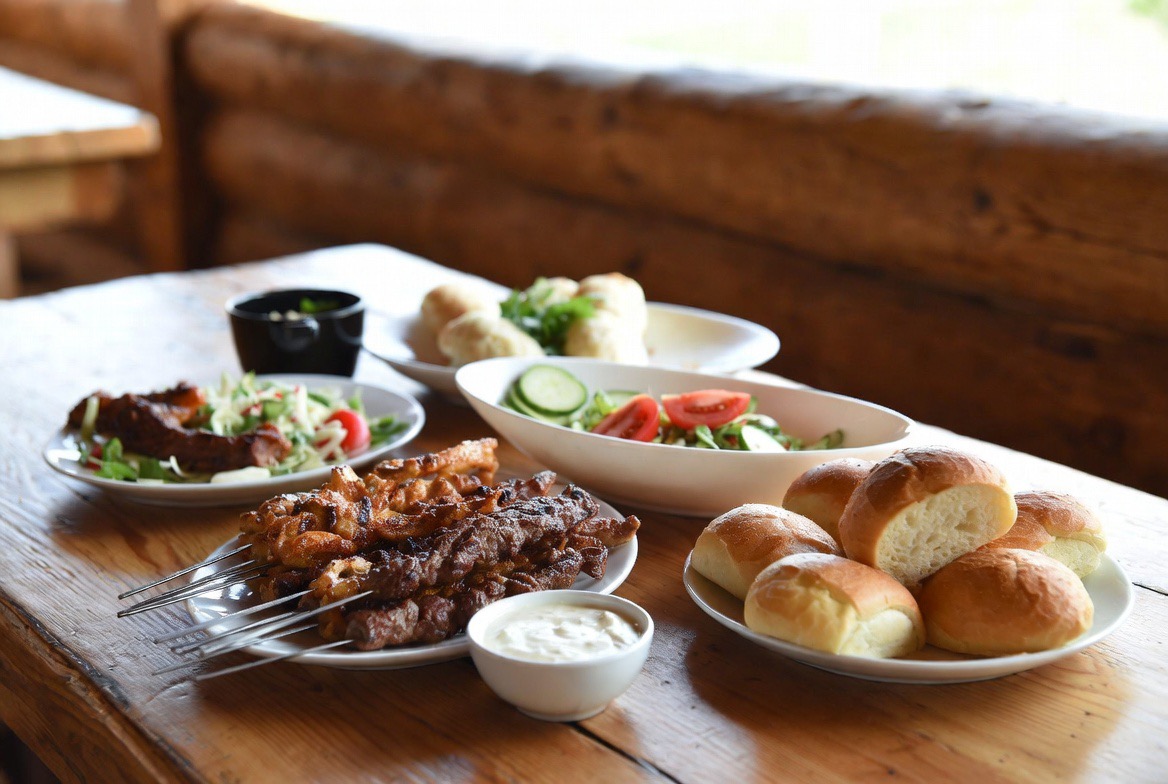
This is where Bulgaria still feels like value.
Food is one of the easiest ways to keep your budget under control, especially if you stay away from obvious tourist spots.
A quick meal from a bakery or street food spot costs around 1 to 3 euros. A banitsa with a boza or ayran for breakfast will rarely go above 2.50 euros. Local restaurants serve proper meals for 6 to 10 euros, and the quality is usually solid.
If you choose to eat in more polished or tourist-focused places, expect 12 to 20 euros per person. That is still reasonable by European standards, but noticeably higher than local pricing.
Coffee culture is strong here. You can sit down, take your time, and pay 1 to 2 euros for a good espresso. Beer is just as affordable, usually between 1.50 and 3 euros. Local wine is another quiet win. A decent bottle in a supermarket sits around 4 to 7 euros, and Bulgarian wine is quietly underrated.
If you eat like a local, your daily food cost stays low without feeling restricted. Most travelers who cook a few meals and eat out once a day spend around 12 to 18 euros on food in total. Those who eat out every meal will land closer to 25 to 35 euros, still reasonable but noticeably more.
Getting Around Bulgaria
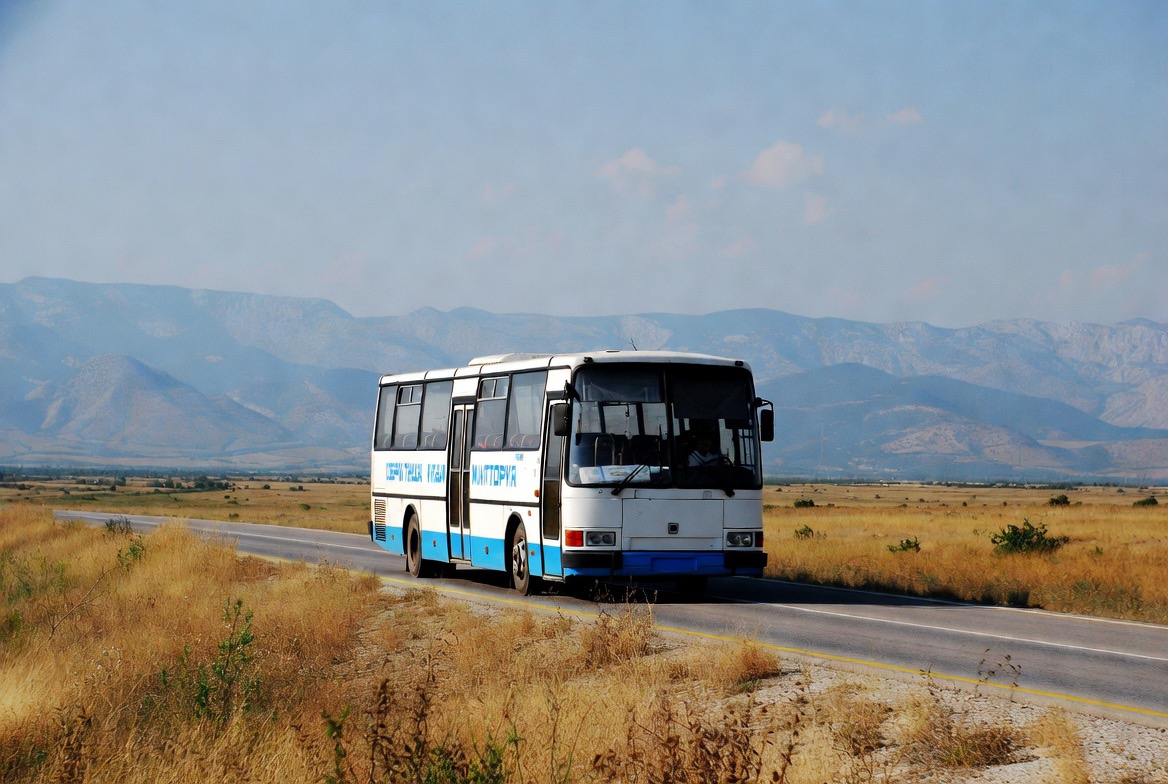
Transport remains one of Bulgaria’s strongest advantages.
Local public transport in cities is cheap and reliable. A metro or bus ride costs around 1 to 2 euros. Taxis are still affordable compared to most of Europe, especially if you use apps instead of random street pickups. Always ask for the meter, or book through an app like Yellow Taxi or TaxiMe. Random street taxis near tourist spots are one of the few places where people get overcharged in Bulgaria.
Intercity travel is where you really save money.
Buses connect most major cities and cost between 8 and 20 euros depending on distance. Companies like Union Ivkoni and Biomet are reliable and comfortable. Trains through BDZ, the Bulgarian State Railways, are slightly cheaper but slower and less predictable.
If you are moving between Sofia, Plovdiv, and Veliko Tarnovo, buses are usually the easiest option. The Sofia to Plovdiv route in particular is one of the smoothest trips in the Balkans, just under two hours and often under 10 euros.
If you are flying in from outside Europe, it is worth checking out our budget travel guide to Sofia, which covers cheap flights into Bulgaria before you lock in your dates, since airfare can be the single biggest cost of the entire trip.
Cost of Activities and Experiences
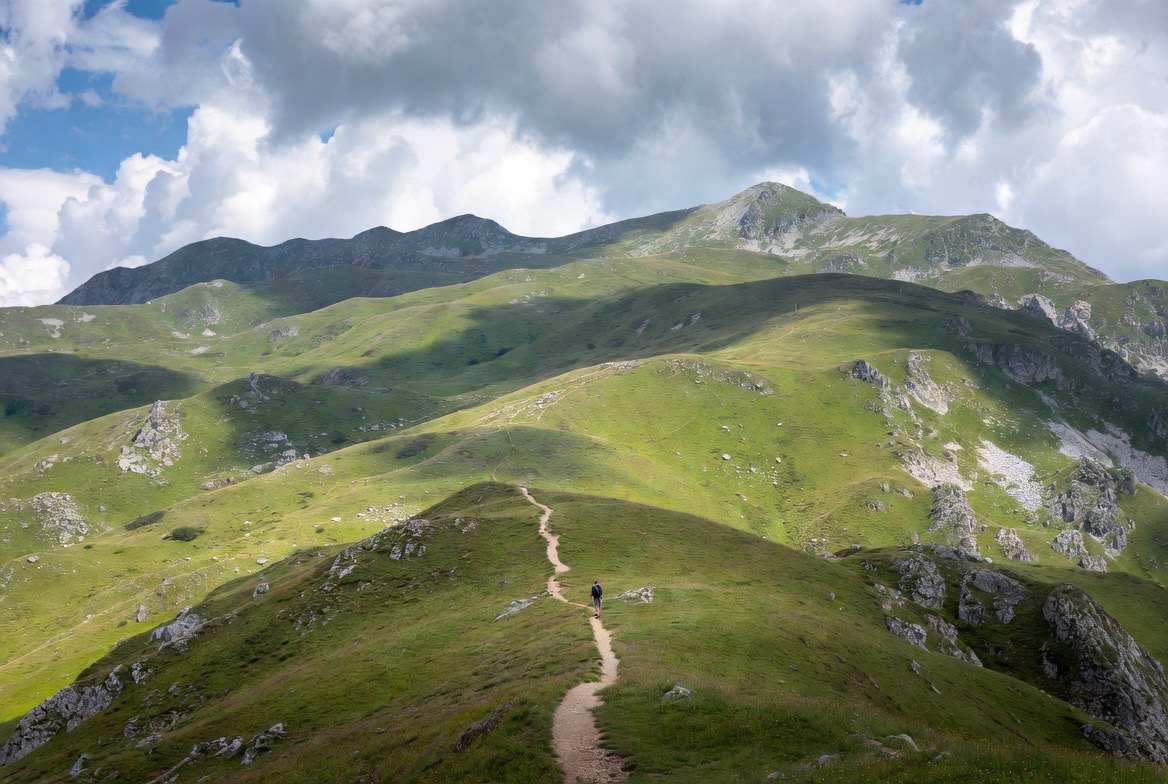
One of the best things about Bulgaria is that you do not need to spend much to enjoy it.
Museums and historical sites typically cost between 3 and 10 euros. Guided tours range from 15 to 40 euros depending on the experience. Free walking tours are available in Sofia, Plovdiv, and Veliko Tarnovo, and they are a great way to understand the country without spending anything upfront.
But the real value is in what you can do for free.
Walking through old towns, hiking in the mountains, swimming in the Black Sea off season, exploring villages in the Rhodopes, these are the things that define the country, and they cost almost nothing. A day hike up Vitosha from Sofia costs the price of a bus ticket. A walk through Plovdiv’s old town costs nothing at all.
This is where Bulgaria still feels like a hidden deal.
Daily Budget Breakdown (Realistic Numbers)
Let’s keep it practical. These Bulgaria travel cost 2026 numbers are the real answer to whether Bulgaria still cheap 2026 travel actually holds up on the ground.
If you are traveling on a tight budget, 30 to 50 euros per day is still possible. That covers hostel accommodation or a very basic private room, local food, and public transport. This is the true backpacker range, and it still works in 2026.
A more comfortable trip sits around 60 to 100 euros per day. You get private rooms in decent guesthouses or mid-range hotels, better meals, the occasional taxi, and more flexibility to say yes to things.
If you move into higher-end hotels, fine dining, or spend time in peak tourist areas, you can easily go above 110 to 150 euros per day.
The numbers are still good compared to most of Europe, but they are not as low as they used to be. Compared to Paris, Amsterdam, or Rome, you are still saving a huge amount. Compared to Albania or parts of Serbia, Bulgaria no longer wins on price alone.
City Cost Breakdown: Sofia vs Plovdiv vs the Black Sea Coast
This is where things get interesting. The cheapest cities in Bulgaria to visit are not always the most famous ones, and the cost gap between regions is bigger than most travelers expect.
| Cost Category | Sofia | Plovdiv | Black Sea Coast |
|---|---|---|---|
| Mid-range hotel per night | €45 to €75 | €30 to €55 | €40 to €140 (season dependent) |
| Hostel dorm per night | €12 to €20 | €10 to €18 | €15 to €30 |
| Meal at a local restaurant | €10 to €14 | €7 to €10 | €8 to €25 |
| Daily budget (mid-range) | €55 to €90 | €45 to €75 | €50 to €130 |
| Daily budget (backpacker) | €35 to €45 | €30 to €40 | €35 to €60 |
| Best time to visit for value | Year round | April to June, September | May, June, September |
| Verdict on Bulgaria still cheap 2026 | Still affordable | Best value city | Depends entirely on season |
Sofia
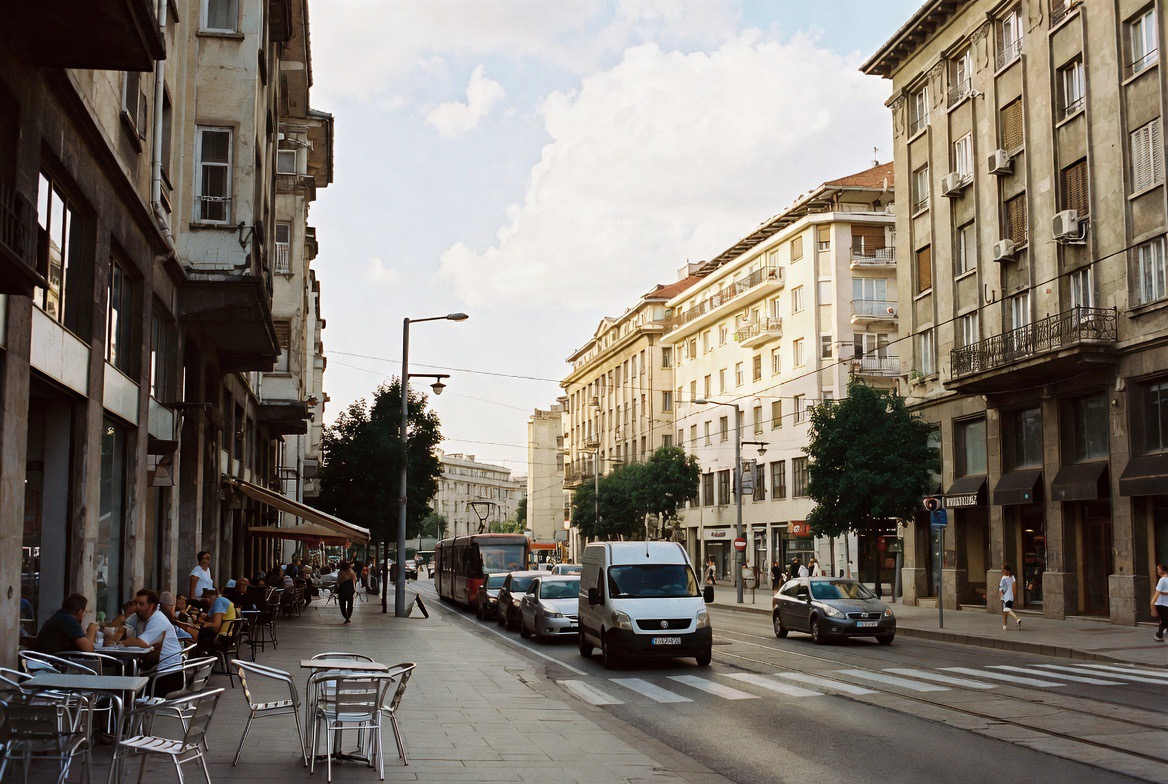
Sofia is the most expensive city in Bulgaria on average, but it is also the best connected.
Accommodation sits around 45 to 75 euros a night for a mid-range hotel in a good area, or 12 to 20 euros for a hostel dorm. A meal at a local mehana sits around 10 to 14 euros with a drink. Public transport is excellent and cheap, and you rarely need taxis.
A realistic daily budget for Sofia is around 55 to 90 euros for a mid-range traveler. Backpackers can still manage on 35 to 45 euros with some discipline.
Sofia is worth two to three days, not more, unless you are using it as a base.
Plovdiv
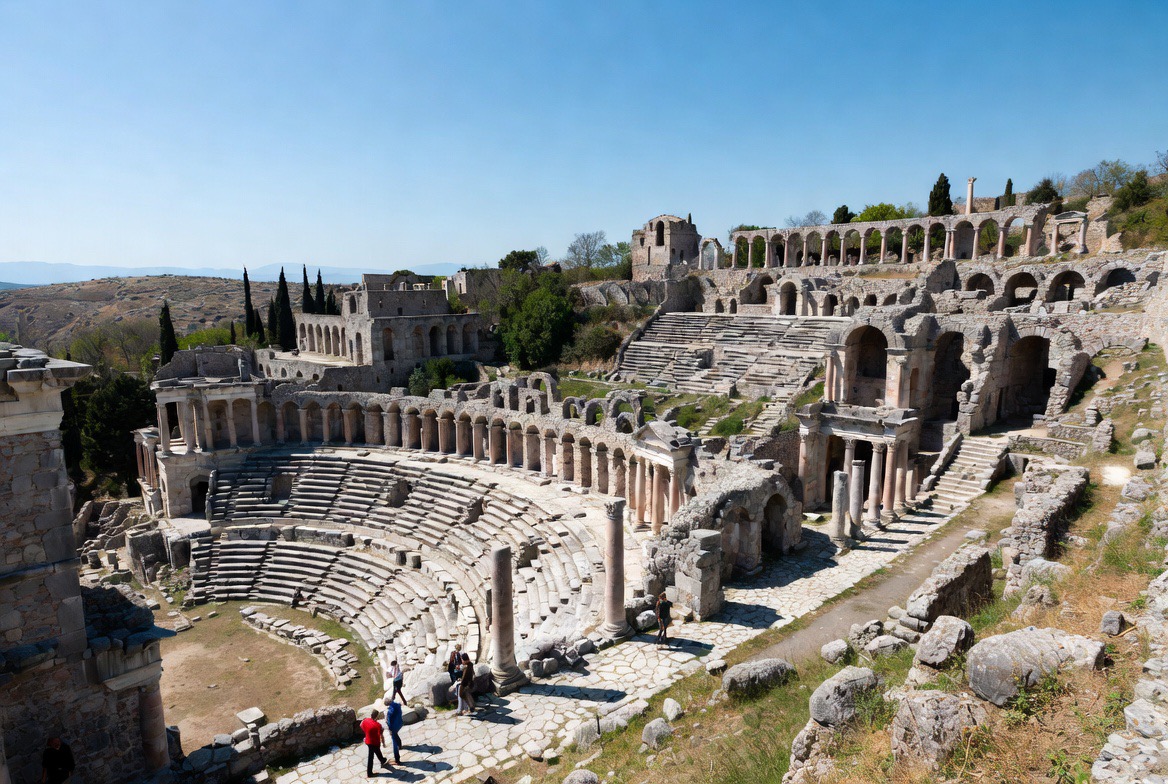
Plovdiv is the sweet spot for budget travelers in 2026, and if you want a full itinerary, our Plovdiv budget travel guide walks through everything in detail.
Accommodation runs about 30 to 55 euros a night for a nice guesthouse in or near the old town. Food is noticeably cheaper than Sofia. A solid meal in a local restaurant rarely goes above 10 euros, and the old town itself is full of cafés where you can sit for hours on 3 to 5 euros.
Daily budget for Plovdiv lands around 45 to 75 euros for most travelers. It is the city most people wish they had spent more time in.
Black Sea Coast (Sunny Beach, Nessebar, Varna, Burgas)
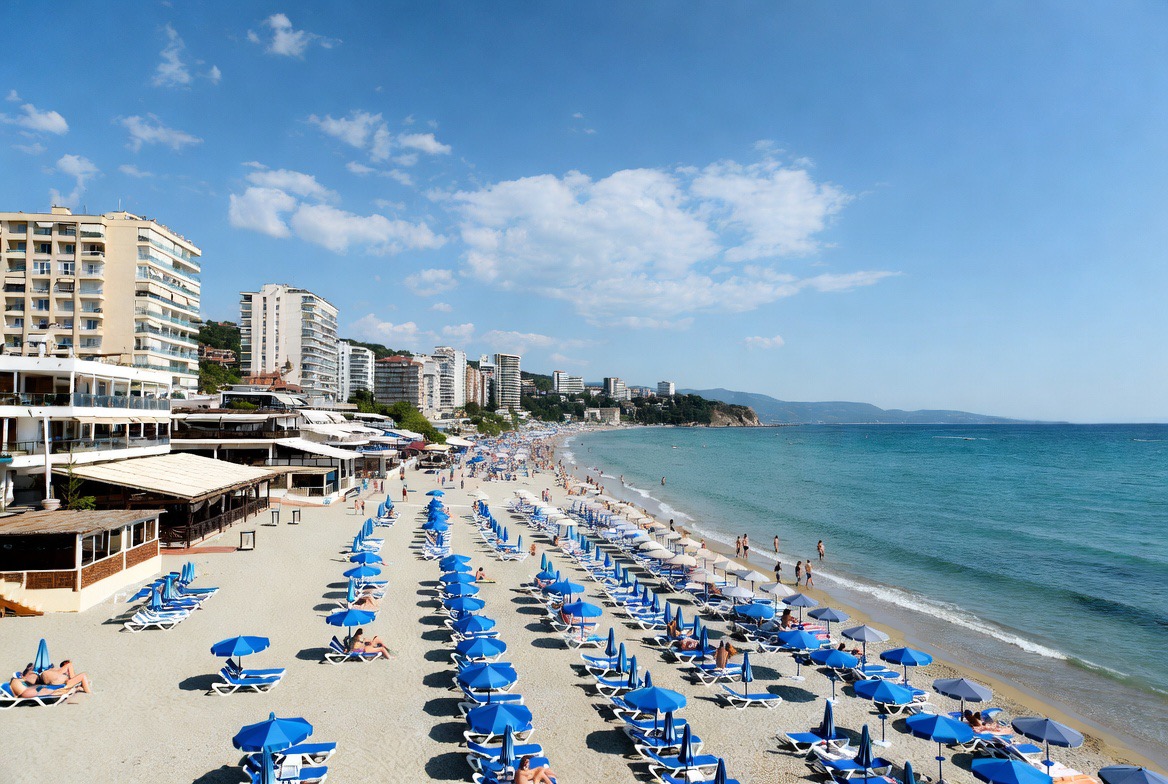
This is the most volatile region in the country.
In July and August, accommodation in Sunny Beach or central Nessebar can hit 90 to 140 euros a night for a basic hotel. Restaurants near the beach charge 15 to 25 euros for meals that would cost 8 euros inland. Daily costs climb to 90 to 130 euros quickly.
In May, June, and September, the same places are completely different. Hotels drop to 35 to 55 euros. Restaurants relax their pricing. You can enjoy the coast on 50 to 70 euros a day.
Varna and Burgas, the actual cities rather than the resorts, stay reasonable year round. They are often a smarter base than the main beach resorts.
If you compare Bulgaria vs other European countries cost wise, the coast in peak summer is where Bulgaria loses its edge. Everywhere else, it still wins clearly.
A Realistic 5 Day Bulgaria Budget Itinerary
Here is a practical Bulgaria budget itinerary example for a traveler sticking to a mid-range budget. The numbers are realistic, not best-case scenarios.
Day 1: Arrive in Sofia
Check into a mid-range hotel or guesthouse near the center, around 55 euros. Grab a banitsa and coffee for breakfast, about 3 euros. Do a free walking tour in the afternoon, then a proper dinner at a local mehana, around 14 euros with a drink. Metro and a bit of walking for transport, around 2 euros.
Estimated spend: 75 euros.
Day 2: Sofia deep dive
Visit the Alexander Nevsky Cathedral, the Boyana Church if you have energy for the trip, and walk the old city. Lunch at a small lunch counter, around 7 euros. Coffee and pastry in the afternoon, 4 euros. Dinner slightly nicer, around 18 euros. Accommodation stays the same at 55 euros. Transport 3 euros.
Estimated spend: 87 euros.
Day 3: Travel to Plovdiv
Bus from Sofia to Plovdiv, around 10 euros, just under two hours. Check into a guesthouse in the old town, around 45 euros. Lunch on arrival, 8 euros. Walk the old town in the afternoon, free. Dinner at a wine-focused restaurant, around 16 euros.
Estimated spend: 79 euros.
Day 4: Plovdiv day
Morning coffee and slow start, 4 euros. Visit the Roman theatre and a few small museums, around 10 euros in entry fees total. Lunch in Kapana, around 9 euros. Evening drinks and light dinner, around 14 euros. Guesthouse stays the same at 45 euros.
Estimated spend: 82 euros.
Day 5: Travel to Veliko Tarnovo or back to Sofia
If you head to Veliko Tarnovo, bus is around 14 euros. Accommodation in a guesthouse with a view sits around 40 euros. Food for the day, around 20 euros. A short hike or fortress visit, around 5 euros.
Estimated spend: 79 euros.
Total for 5 days: roughly 400 euros, or about 80 euros per day on average. You can shave this down to around 55 to 60 euros a day by choosing hostels, cooking one meal a day, and sticking to local spots. You can also push it to 120 euros a day easily by staying in nicer hotels and eating more upscale meals.
Either way, the cost of living in Bulgaria 2026 still sits noticeably below Western Europe for visitors.
Common Mistakes That Make Bulgaria Feel Expensive
Most travelers who complain about prices in Bulgaria made at least one of these mistakes. They are easy to avoid once you know what to look for.
1. Staying in the wrong part of Sofia. The area around Vitosha Boulevard and the main pedestrian streets is the most expensive in the country. Staying two or three metro stops out, in areas like Oborishte or near NDK, can cut your accommodation cost by 30 to 40 percent without losing convenience.
2. Eating where the menu is in five languages. A restaurant with menus in English, German, Russian, and Turkish, sitting right next to a major landmark, is almost always overpriced. The food is often average too. Walk two or three streets away and you will find better meals for half the price.
3. Taking taxis off the street near tourist zones. This is one of the few places where people genuinely get overcharged in Bulgaria. Always use Yellow Taxi, TaxiMe, or Bolt. The prices are fair and you avoid the scam risk entirely.
4. Visiting the Black Sea coast in late July or August. Peak summer on the coast is where Bulgaria stops being cheap. If beach time is non-negotiable, aim for early June or mid September. You get the same sea, the same sun, half the crowds, and much better prices.
5. Booking accommodation too late. Bulgaria is no longer a country where you can just show up and find great last-minute deals. Booking two to four weeks in advance, especially for weekends and summer, makes a real difference.
6. Ignoring supermarkets entirely. Bulgarian supermarkets like Billa, Lidl, and Kaufland are excellent and very affordable. Even just grabbing breakfast items, water, and snacks from a supermarket instead of cafés can save 10 to 15 euros a day on a longer trip.
Where Bulgaria Is Still Cheap
If your goal is to keep costs down, focus on places where tourism has not taken over.
Veliko Tarnovo is a good example. It has history, atmosphere, and reasonable prices. The old town wraps around a hill above a river, and you can spend two full days there without getting bored.
Plovdiv is still affordable outside peak season and offers a strong mix of culture and nightlife.
Bansko, outside ski season, is surprisingly cheap and quiet. Summer in Bansko is one of the most underrated budget moves in the Balkans.
Smaller towns and rural areas are where Bulgaria still feels like the budget destination people talk about. Places like Koprivshtitsa, Tryavna, and the villages in the Rhodope Mountains are almost untouched by tourist pricing.
If you enjoy this style of travel, you will probably love our full Albania budget travel guide too, since Albania right now is where Bulgaria was around five or six years ago.
Where It’s Getting Expensive
Not everything is a bargain anymore.
Sofia’s city center is steadily becoming more expensive, especially for accommodation.
Sunny Beach and the Black Sea coast in summer can feel overpriced for what you get.
Ski resorts in winter follow the same pattern, with prices rising during peak demand.
If you plan around these areas instead of avoiding them completely, you can still manage your budget.
Best Time to Visit on a Budget
Timing is everything now.
May and June are ideal. The weather is good, prices are lower, and the crowds have not fully arrived.
September and early October are just as good, sometimes even better. The temperature is still comfortable, and everything feels more relaxed.
July and August bring higher prices, especially on the coast. Winter is great for skiing but not for saving money in resort areas.
If you want Bulgaria at its best value, avoid peak seasons. Shoulder season in Bulgaria is genuinely one of the best travel windows in all of Europe.
Practical Budget Tips for 2026
Stay slightly outside city centers. Prices drop quickly once you move a bit away from tourist zones.
Eat where locals eat. The difference in cost is immediate and obvious.
Use buses for intercity travel. They are cheap and cover most routes.
Book accommodation early if you are traveling in summer. For more tactics, our guide to finding cheap accommodation anywhere goes deeper on this.
Travel in shoulder season whenever possible.
Carry some cash. Most places accept cards, but small bakeries, village shops, and some buses still prefer cash.
Small decisions now make a bigger difference than before.
So, Is Bulgaria Still Worth It?
Yes, without question.
Even with rising prices, Bulgaria still offers more value than most countries in Europe.
You get history, nature, good food, and a slower pace of travel without spending heavily.
The difference is that it is no longer effortless. You have to be a bit more aware, a bit more intentional.
If you get that part right, Bulgaria still delivers.
Frequently Asked Questions
Is Bulgaria still cheap in 2026?
Yes, Bulgaria is still one of the cheapest countries in Europe in 2026, especially compared to Western and Southern Europe. Prices have risen since the country moved closer to full Eurozone integration, but if you avoid peak summer on the coast and stay slightly outside major tourist zones, the country remains clearly affordable.
How much money do I need per day in Bulgaria?
A realistic daily budget for Bulgaria in 2026 is around 30 to 50 euros for backpackers, 60 to 100 euros for mid-range travelers, and 110 euros and above for comfort travel. Most travelers sit comfortably in the 60 to 80 euro range per day, including accommodation, food, and local transport.
Is Bulgaria cheaper than other European countries?
Yes. Bulgaria is cheaper than Italy, Spain, France, Germany, Austria, Croatia, and Greece. It is roughly on par with Romania, slightly more expensive than Albania and North Macedonia, and similar to Serbia. Among EU countries, it remains one of the most affordable options.
Has Bulgaria become more expensive after the Eurozone shift?
Yes, but moderately. Accommodation and restaurant prices in major cities and tourist areas have risen by around 15 to 30 percent over the last couple of years. Public transport, supermarket prices, and local food have stayed fairly stable. Overall, Bulgaria is still very far from Western European price levels.
What are the cheapest cities in Bulgaria to visit?
Plovdiv, Veliko Tarnovo, Bansko outside ski season, and smaller cities like Ruse and Stara Zagora offer the best value. Varna and Burgas are also reasonable year round, unlike the beach resorts nearby. Sofia is still affordable compared to Western Europe, but it is the most expensive city in the country.
Is it better to visit Bulgaria now or wait?
Now. Prices are still rising gradually, and the country has not yet become overly crowded or expensive. The 2026 window is still a very strong moment to visit Bulgaria on a budget before prices align more fully with the rest of the EU.
Final Thoughts
Bulgaria is changing, but it has not lost what made it special.
It is still one of the few places in Europe where you can travel without feeling like everything is built around extracting money from you.
That window is still open, but it is narrowing in certain areas.
If you are planning a trip in 2026, go in with the right expectations, make a few smart choices, and you will still find the version of Bulgaria that people have been talking about for years.
And honestly, that is what makes it worth going now, not later.
If you found this guide useful, stick around. We publish new budget travel breakdowns, honest country cost guides, and practical itineraries every week, so there is always something new to help you plan your next trip without overspending.