

Eastern Europe budget travel from Germany is the smartest play you can make if you live in Frankfurt, Berlin, Munich or anywhere with a budget airport nearby. Flights are short, costs are a fraction of Western Europe, and the cities are some of the most beautiful and underrated on the continent. This guide is your starting point for three of the best budget destinations you can reach quickly from Germany: Plovdiv, Sofia, and Kotor. Eastern Europe budget travel from Germany works because the routes are short, the flights are cheap, and the destinations are still genuinely affordable for a long weekend or a full week.
I have travelled to all three from Frankfurt am Main, and what surprised me most was how affordable they actually are when you compare them to Western European cities. A weekend in Sofia or a long week in Kotor can cost less than three days in Paris. Below, I have summarised what each destination offers, what to expect on cost, and linked you directly to the full city guide for each. If you are based in Frankfurt specifically, this guide to the cheapest weekend trips from Frankfurt covers 10 destinations with real costs and booking tips.
- Why Eastern Europe budget travel from Germany makes sense
- Plovdiv, Bulgaria: The quiet cultural capital
- Sofia, Bulgaria: The capital with surprising depth
- Kotor, Montenegro: The Adriatic without the Croatia price tag
- How to choose between them
- Getting there from Germany
Why Eastern Europe Budget Travel from Germany Makes Sense
Three reasons it just works.
- Cheap flights from Germany. Frankfurt, Berlin, and Munich all run regular budget routes to Sofia and the Adriatic. Return flights often land between 50 and 120 euros if you book a few weeks ahead.
- Low ground costs. A solid meal in Plovdiv or Kotor sits between 8 and 15 euros. Coffee is 1 to 2 euros. A central hotel for the weekend rarely tops 60 euros a night.
- Schengen and visa-free access. Bulgaria joined the Schengen Area in January 2025, which means no internal border checks from Germany. Montenegro is visa-free for short stays for most European residents.
Quick Comparison: Eastern Europe Budget Travel from Germany at a Glance
Before we dive into each city, here is how the three stack up for Eastern Europe budget travel from Germany. All prices are based on early 2026 fares and on-the-ground costs I have personally tracked.
| City | Flight time from Frankfurt | Long weekend cost | Best for |
|---|---|---|---|
| Plovdiv (via Sofia) | ~2h + 2h transfer | 250 to 350 euros | History, slow pace |
| Sofia | ~2h direct | 200 to 320 euros | Urban energy, food |
| Kotor | ~2h to Tivat / Podgorica | 350 to 500 euros | Sea, mountains |
Plovdiv, Bulgaria: The Quiet Cultural Capital
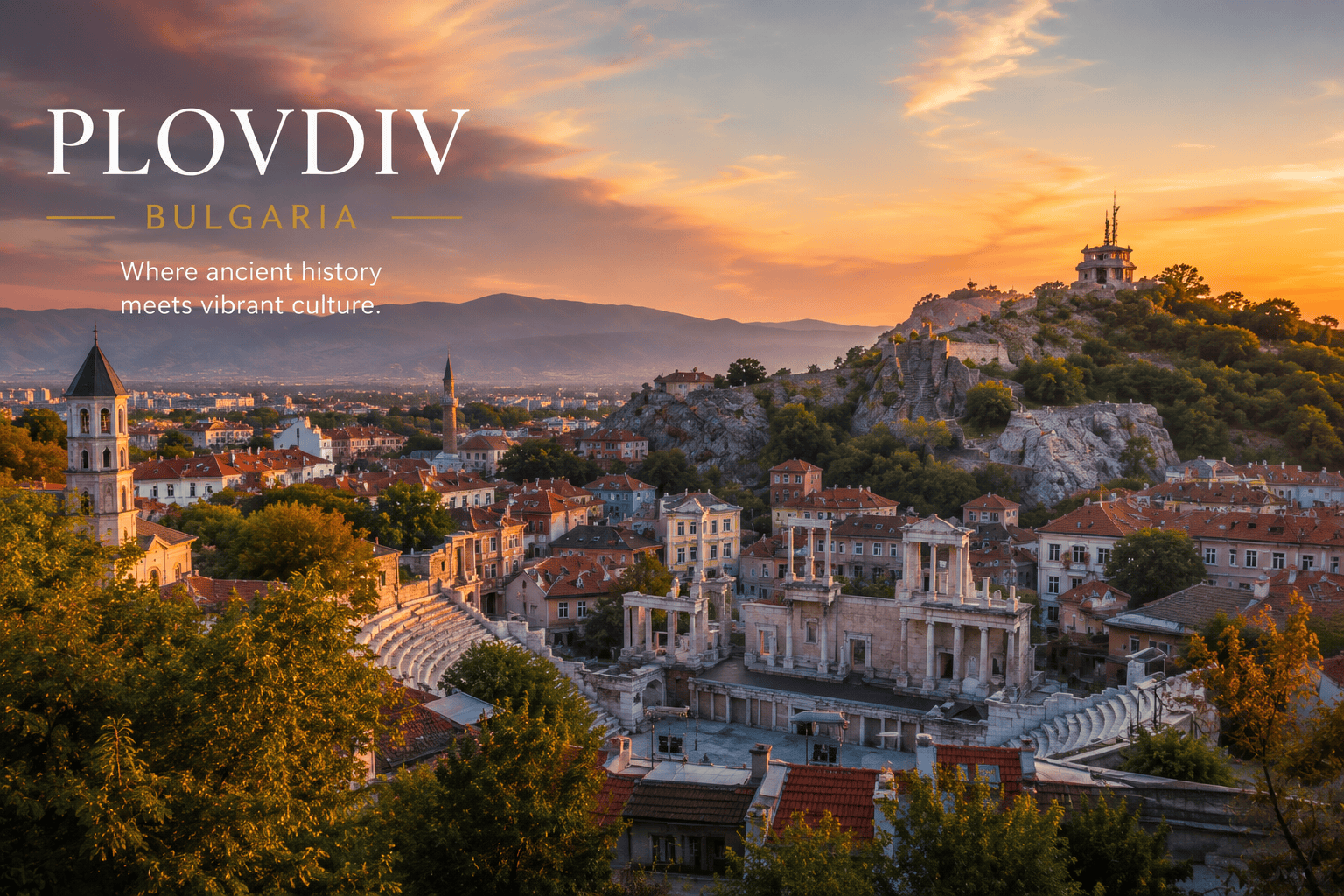
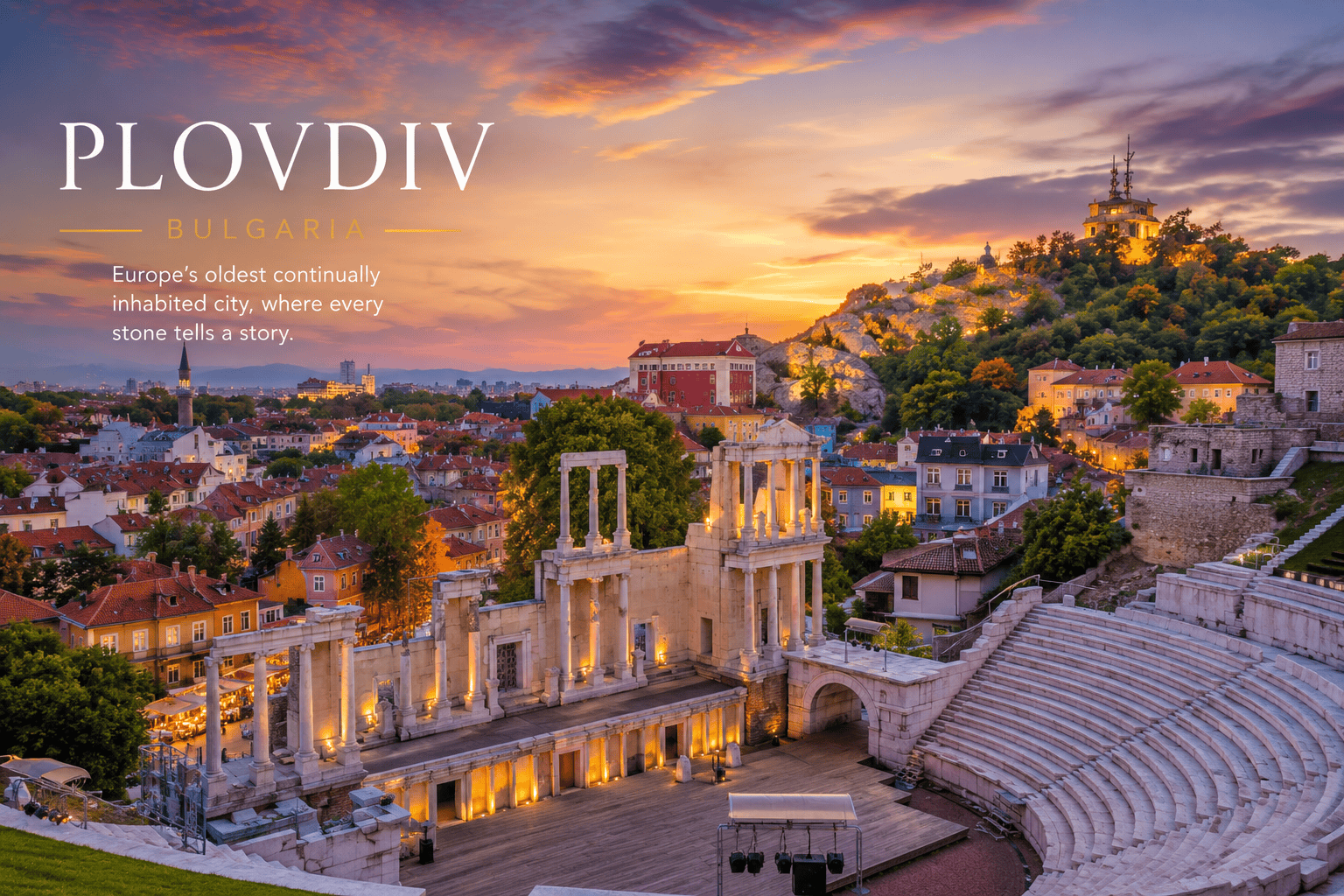
Plovdiv is one of the oldest continuously inhabited cities in Europe and you can feel it on every cobblestone street. The Old Town wraps around seven small hills, lined with restored 19th-century houses, Roman amphitheatres, and quiet artisan workshops. The Kapana creative district is where the modern city lives, full of independent cafés, wine bars, and street art.
You can fly into Sofia and take a 2-hour bus or train to Plovdiv for under 10 euros, which keeps total travel costs low. A reasonable budget for a long weekend is around 250 to 350 euros all-in, including flights from Germany. The city is small enough to walk everywhere, the food is exceptional, and crowds are nothing like the Western European tourist spots.
Read the full Plovdiv budget guide from Germany →
Sofia, Bulgaria: The Capital With Surprising Depth
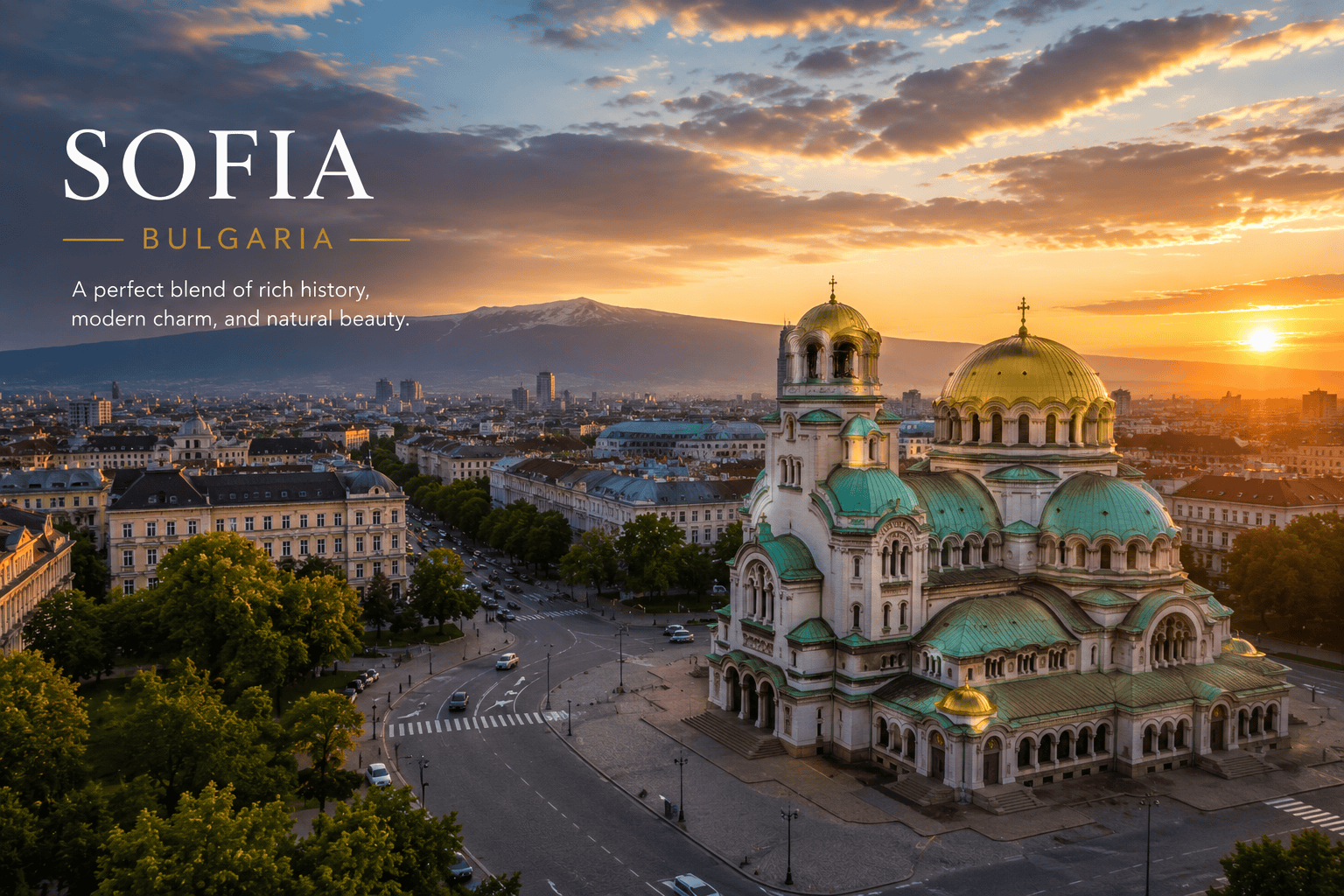
Sofia is the gateway most travellers will use to enter Bulgaria, but it deserves more than a quick layover. For Eastern Europe budget travel from Germany, this is the easiest direct flight in the cluster. Visit Sofia’s official tourism site keeps a current list of free walking tours and city passes worth checking before you fly. The city sits at the foot of the Vitosha mountain, has Roman ruins in the middle of the metro stations, and serves some of the cheapest quality coffee in any European capital. Public transport runs efficiently, and you can use the same day pass for the metro, buses, and trams.
Direct flights from German cities land in Sofia in about 2 hours, and prices can drop to 40 to 80 euros return if you watch fare alerts. A 3-day trip with reasonable hotels, food, and a few attractions runs 200 to 320 euros total. The vibe is more urban than Plovdiv, with better nightlife and a wider international food scene.
Read the full Sofia budget guide with 3-day itinerary →
Kotor, Montenegro: The Adriatic Without the Croatia Price Tag
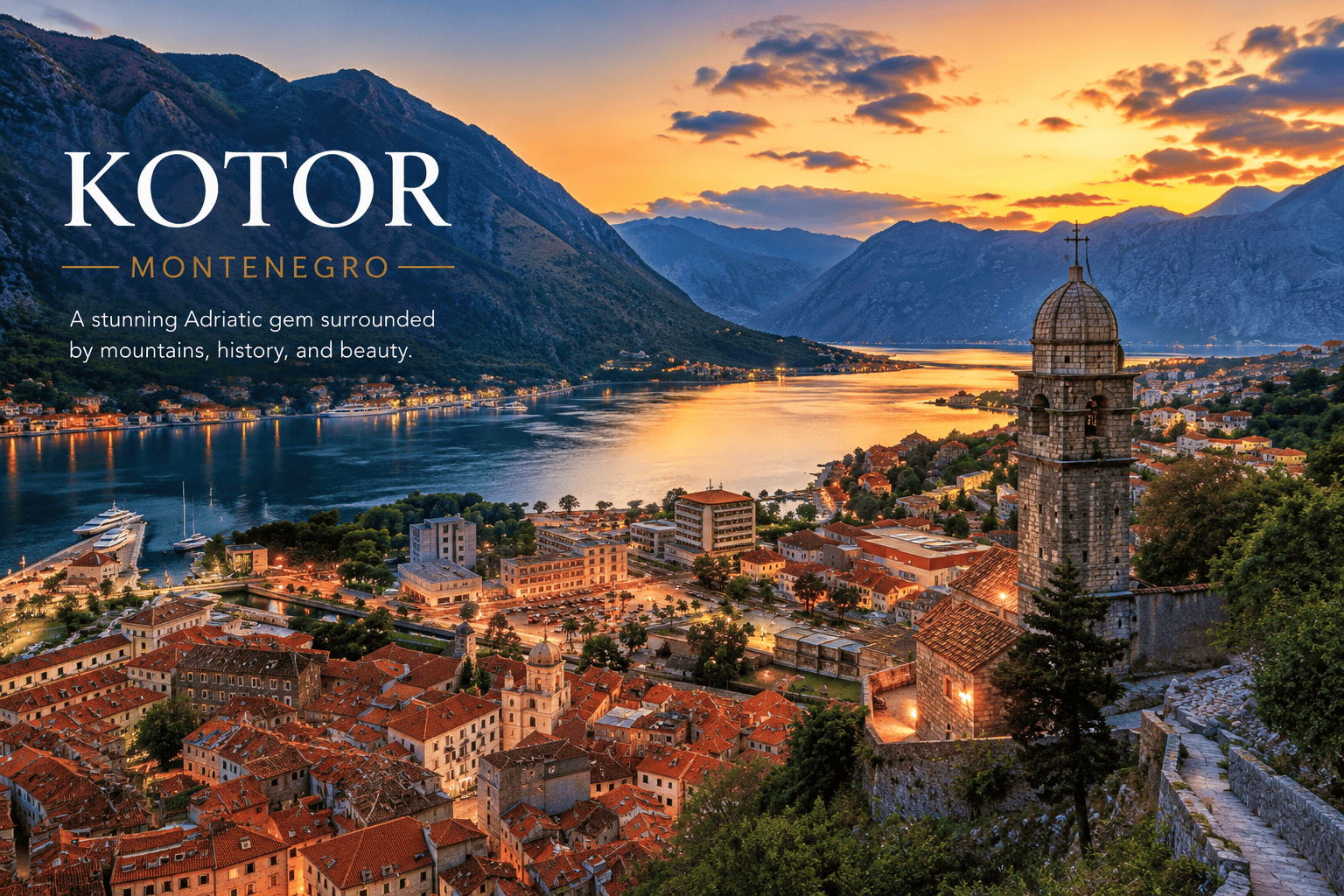
If you want the Adriatic coast experience without paying Dubrovnik or Split prices, Kotor is your answer. The bay is a UNESCO World Heritage site that looks like a fjord cut into the Mediterranean, the old town is medieval and walkable, and a hike up to the fortress at sunset is one of the best free experiences in Europe.
Getting there from Germany takes a bit more planning. Most travellers fly into Tivat or Podgorica, both of which are short flights connecting through Frankfurt or Vienna. Total trip cost for a long weekend lands between 350 and 500 euros depending on the season, which is still less than half what an equivalent Croatian coast trip would cost. May and October are the sweet spots for Eastern Europe budget travel from Germany to the Adriatic. Weather is mild and prices have not jumped into peak season. The Visit Montenegro official guide to Kotor has a handy map of viewpoints and trail entries.
Read the full Kotor budget guide from Germany →
How to Choose Between Them
A simple way to decide based on what you actually want from the trip.
- You want history and a quiet pace. Pick Plovdiv. It is the smallest of the three and the easiest to explore on foot.
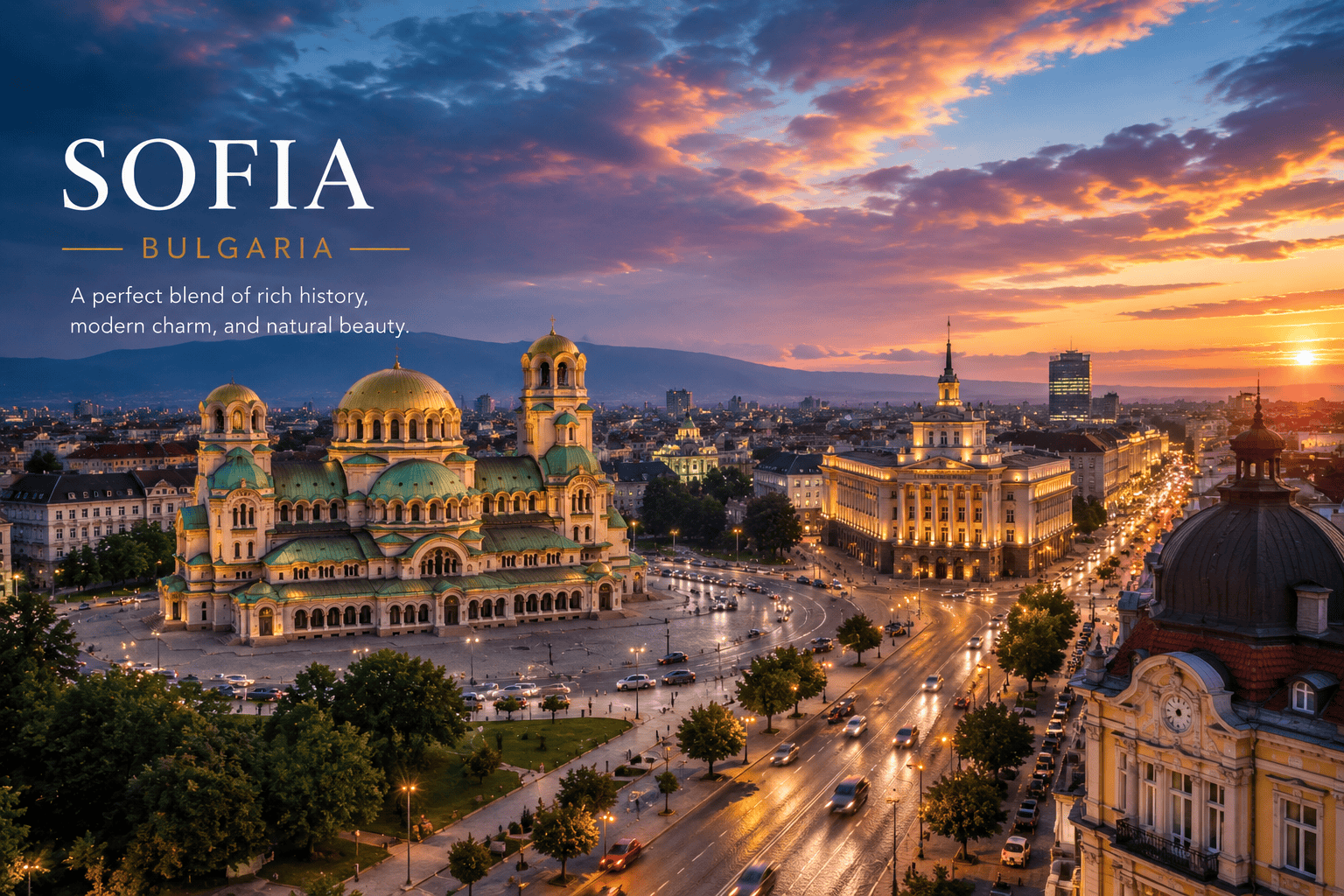
- You want a real city with nightlife and food variety. Pick Sofia. It is the most international and has the best flight connections from Germany.
- You want sea, mountains, and the Mediterranean look. Pick Kotor. The setting is unbeatable but takes more planning to reach.
- You have a week. Combine Sofia and Plovdiv. They are two hours apart and offer two very different sides of Bulgaria.
Getting There From Germany
From Frankfurt, Berlin, Munich, and Düsseldorf, you have multiple direct or one-stop routes to all three destinations. Lufthansa, Wizz Air, and Ryanair are the main carriers. For the cheapest flights, book 4 to 8 weeks in advance, fly midweek, and avoid the German school holiday periods. Train and bus options exist for Plovdiv and Sofia from Vienna, but unless you actively enjoy the journey, flying is the better value.
If you are planning a longer Europe trip that includes Western destinations as well, our complete Budget Travel from Germany guide covers the full cost breakdown and best routes.
More Cheap Eastern Europe Destinations From Germany
Plovdiv, Sofia, and Kotor are strong starting points, but Eastern Europe budget travel from Germany opens up far more than three cities. Here are four more that give you big value for small money in 2026.
Krakow in Poland is a favourite for a reason. The old town is compact and walkable, hostels are cheap, and the food is hearty and affordable. Wizz Air and Ryanair fly there from several German airports for very little when you book early.
Budapest in Hungary gives you grand architecture, thermal baths, and a famous ruin-bar scene at prices well below Western Europe. A weekend here rarely strains a student budget.
Brasov in Romania sits in the Carpathian mountains near Bran Castle. It is quiet, green, and one of the cheapest bases in the region for nature and history together.
Ljubljana in Slovenia is small, safe, and beautiful, with easy day trips to Lake Bled. It is slightly pricier than Bulgaria but still a bargain next to Austria or Italy.
Cost Comparison: What a Weekend Really Costs
These are indicative 2026 ranges for a budget traveller sharing a hostel dorm and eating simply. Always confirm current prices before you book, as flights and rooms move with the season.
| City | Hostel per night | Meal out | Daily budget |
|---|---|---|---|
| Plovdiv, Bulgaria | 12 to 20 euros | 6 to 10 euros | 30 to 45 euros |
| Sofia, Bulgaria | 12 to 22 euros | 7 to 11 euros | 30 to 50 euros |
| Krakow, Poland | 14 to 24 euros | 7 to 12 euros | 35 to 55 euros |
| Budapest, Hungary | 15 to 26 euros | 8 to 13 euros | 40 to 60 euros |
| Brasov, Romania | 12 to 20 euros | 7 to 11 euros | 30 to 50 euros |
| Kotor, Montenegro | 15 to 28 euros | 9 to 14 euros | 40 to 65 euros |
| Ljubljana, Slovenia | 18 to 30 euros | 10 to 15 euros | 45 to 70 euros |
Even at the top of these ranges, a long weekend in Eastern Europe costs less than a single expensive night out in Munich or Frankfurt.
Money-Saving Tips for Students Traveling From Germany
A few habits keep these trips genuinely cheap without cutting the fun.
Book flights early and stay flexible on dates. Budget airlines like Ryanair and Wizz Air swing wildly in price, and a Tuesday flight can cost a fraction of a Friday one.
Travel with hand luggage only. Checked bags often cost more than the seat, so pack light and skip the fee.
Use your German student status. Many museums and transport passes in Eastern Europe give student discounts, so carry your student card and ask.
Eat where locals eat. Street food and small family restaurants away from the main square cost half the price and taste better.
Stay in dorms or book early for private rooms. Prices climb fast close to weekends and holidays, so lock in your bed as soon as your dates are set.
Best Time to Visit Eastern Europe on a Budget
Timing changes both the price and the experience. The shoulder seasons are the sweet spot for value.
Spring, from April to early June, brings mild weather, green landscapes, and lower prices before the summer crowds. This is the best all-round window.
Autumn, from September to October, is similar, with warm days, harvest food, and cheaper rooms once the summer peak fades.
Summer is lively but pricier, especially on the Montenegro coast around Kotor, where July and August rates jump. Winter is cheapest of all inland, and cities like Krakow and Budapest look magical around Christmas, though days are short and cold.
Frequently Asked Questions
Is Eastern Europe really cheaper than Western Europe?
Yes. Countries like Bulgaria, Romania, Poland, and Hungary have much lower prices for food, rooms, and transport than Germany, France, or Italy, often half or less.
What is the cheapest country in Eastern Europe to visit from Germany?
Bulgaria and Romania are usually the cheapest, with daily budgets from about 30 euros. Poland is close behind and very well connected by budget flights.
How do I get to Eastern Europe cheaply from Germany?
Budget airlines like Ryanair and Wizz Air fly from many German airports to Sofia, Krakow, Budapest, and more. Book early and travel light for the lowest fares.
Do I need a visa to travel within the EU from Germany?
If you hold a German residence permit, you can travel visa-free within the Schengen area. Bulgaria and Romania are in the EU, and border checks are increasingly relaxed.
Is it safe to travel in Eastern Europe as a student?
Yes. Cities like Ljubljana, Krakow, and Plovdiv are considered very safe for travellers. Use normal caution with your belongings, as you would anywhere.
How much should I budget per day?
A careful budget traveller spends 30 to 50 euros per day in Bulgaria and Romania, and 45 to 70 euros in Slovenia or coastal Montenegro.
Can I pay by card or do I need cash?
Cards are widely accepted in cities, but carry some local cash for small cafes, markets, and buses, especially outside the main tourist areas.
Which currency do these countries use?
Bulgaria and Poland, Hungary, and Romania use their own currencies, while Montenegro and Slovenia use the euro. Check the local currency before you travel.
When is the cheapest time to fly?
Midweek flights in spring and autumn are cheapest. Avoid Fridays, Sundays, and school holidays when budget airline prices peak.
Are hostels good in Eastern Europe?
Yes. The region has excellent, clean, social hostels at low prices, and many offer private rooms that still beat Western Europe on value.
Is a weekend trip enough time?
A long weekend of three days is plenty for one city like Plovdiv or Krakow. For two cities, aim for four or five days to travel without rushing.
How far in advance should I book?
For the best flight prices, book four to eight weeks ahead. Rooms can be booked closer to the date outside peak season, but earlier is safer for weekends.
Join our Telegram channel for the latest Germany study, visa and relocation updates for Nigerians: https://t.me/+I2s3n-gtMIQ0ZjQy
Final Thoughts
Eastern Europe budget travel from Germany is the cheat code most travellers overlook. The cities are beautiful, the costs are reasonable, and the experiences are some of the most memorable you can have in Europe. Pick one of these three to start, use the linked guide for the full breakdown, and book your flight before fares climb. You will not regret it.
Planning your trip? Compare flights, stays and deals on the GrandRoyal booking platform and travel smarter for less.
Planning a longer move?
Get our free relocation guide.
If short trips to Eastern Europe are sparking a bigger plan, we have you covered. Get the free guide on visa routes, real costs, and the moves that actually work for relocating to Europe.
Planning more budget trips across Europe from Germany? Our complete student budget travel guide covers everything from overnight buses to city passes: Cheap Travel in Europe for Students in Germany: The Ultimate 2026 Guide.
If you are planning to study in Germany, make sure you read our complete guide on how to apply for a German student visa from Nigeria. It covers every step, document, and requirement you need to know before your interview.
Get GrandRoyal in your Google feed — add us as a preferred source